

Gaming License in Mexico
Last Update: 18.03.2026
Mexico is rapidly developing as a promising market for online gambling. Gofaizen & Sherle offers comprehensive solutions for registering and operating a gambling business, including licensing, tax planning, legal strategy, and accounting support. We will provide you with full support at every stage of the licensing process, helping you to launch and develop your business in accordance with the law.
Despite some legislative gaps, Mexico is one of the largest and most promising jurisdictions for online gambling in Latin America.
Unlike countries with clearer regulations, Mexico’s legal framework, established more than 15 years ago, needs modernization, resulting in a significant portion of operators operating without a federal SEGOB license. According to AIEJA estimates, the illegal online betting market is valued at $450 million, with about 60% of platforms operating without a license. In 2024, the association reported that roughly 60% of bookmakers operated without a license, highlighting the need to update and tighten regulations.
Nevertheless, the industry continues to grow. The country attracts both local and international operators seeking to capitalize on the growing interest in online gambling among the population. In 2023, the market strengthened thanks to technological advances and an increase in the number of participants. By 2028, the market is expected to grow by 70%, with revenues reaching $4.63 billion.
The Mexican government is aware of the potential revenue from regulating and taxing online gambling. With the 2026 FIFA World Cup, which Mexico will host jointly with Canada and the United States, approaching, the process of modernizing specialized regulations is accelerating. The market is expected to become more transparent and clearly structured in the next two years, which will attract additional investors and operators to Mexican online gambling.
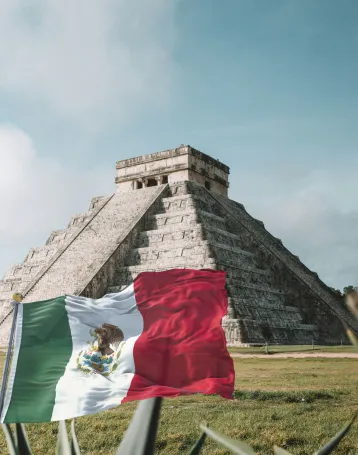
Advantages of Obtaining a Mexican Gaming License
An online gambling license in Mexico provides operators with several significant advantages:
Legality and protection from sanctions
Operators holding a license operate under federal law, which ensures the legality of their activities and protects them from possible sanctions from regulatory authorities. This avoids fines and other legal consequences associated with illegal activities.
Access to a broad market
Licensed operators can legally provide their services throughout Mexico, which provides access to a broad market of players. This is particularly important in light of the population’s growing interest in online gaming and the expected 70% increase in the market by 2028.
Relatively fast licensing process
The process of obtaining an online gambling license can take about 3 months from the time of application.
Increased player confidence
Having a license indicates that high standards of security and integrity are met, which increases player confidence. This can lead to a larger customer base and increased user loyalty.
Opportunities for partnerships and expansion
Licensed operators can enter into partnership agreements with other companies, including international partners, which facilitates business expansion and entry into new markets. This opens up additional opportunities for the company’s growth and development.
Stability and long-term perspective
Operators operating under the license can plan long-term activities and invest in development and innovation, which contributes to stability and sustainable business growth. This is especially important in a fast-growing online gambling market.
Opportunity to save on taxes
Licensed operators are liable to pay taxes, including income tax (ISR) at 30% and a special production and service tax (IEPS) of 30% on the amount of bets received from customers in a month. However, they may reduce the IEPS through state and local taxes paid during the same period, but not more than 20% of the total IEPS.
Gambling regulation in Mexico
According to the Federal Law of 1947, all forms of gambling are prohibited in Mexico, except for those specifically authorized. These include:
- lotteries and raffles, in which the outcome is determined by chance;
- sports betting, including racing and team sports;
- billiards, bowling, chess, checkers, and other activities that do not depend solely on luck;
- casinos and bookmakers with the appropriate license.
Online gambling is officially permitted, but only by licensed operators who must comply with legal requirements.
Today, the regulation of online gambling in Mexico remains complex and ambiguous. The 1947 law did not contain provisions relating to online gambling, so the government uses clarifications and subordinate legislation to adapt the law to modern realities.
In 2025, Mexico is preparing to reform federal gambling regulations. It is proposed to replace the outdated 1947 law with a new, more modern, and comprehensive one. The main goals of the reform are to increase security, transparency, and accountability in the gambling sector, combat illegal activities and gambling addiction, and protect the interests of players.
The bill provides for the creation of a National Institute of Games and Lotteries under the Ministry of the Interior, which will regulate, inspect, and enforce sanctions in the gambling sector. New licensing rules, restrictions on the number of permits per facility, and measures to encourage fair competition are planned. Particular attention is paid to protecting the rights of consumers and vulnerable groups, including minors and individuals prone to risky gambling.
The reform also aims to increase transparency and social responsibility: introducing self-exclusion programs, setting betting limits, informing players about the risks, and directing tax revenues from the industry to public projects in the fields of health, culture, and sports. If approved, the new law will create a modern regulatory framework that combines innovation, economic incentives, and social protection for participants in the gambling market.
Despite attempts to tighten control over the online segment, no strict measures are currently being taken to crack down on offshore operators. Operators licensed to conduct land-based gambling may offer online betting and casino games if their license allows them to do so. However, a significant portion of the market is occupied by international companies that accept players from Mexico without a local license.
Regulatory Authorities
In Mexico, gambling is regulated at the federal level and covers a wide range of games of chance, including casinos, bookmakers, lotteries, and social games with cash stakes. Regulation is carried out by several government agencies, each of which is responsible for specific aspects of control, regulatory compliance, and ensuring transparency in the market.
The main regulatory body is the Ministry of the Interior of Mexico (Secretaría de Gobernación, SEGOB). Through its subordinate division, the General Directorate of Games and Lotteries (Dirección General de Juegos y Sorteos, DGJS), SEGOB licenses operators, monitors their activities, and ensures compliance with the Federal Law on Gambling and Lotteries (Decree No. 728). The DGJS conducts regular inspections of casinos, bookmakers, and lotteries, verifies compliance with regulatory requirements, prevents fraud, and ensures that operators act within the law.
In addition, SEGOB works closely with other agencies such as Unidad de Inteligencia Financiera (UIF), a financial intelligence unit under The Ministry of Finance and Public Credit (Secretaría de Hacienda y Crédito Público, SHCP). The UIF is responsible for detecting and preventing financial crimes, including money laundering and terrorist financing, and ensures that gambling operators implement strict internal controls and report suspicious transactions in a timely manner. The joint work of these bodies creates a transparent and secure environment for legal gambling activities in the country.
Organizations regulating gambling and social gaming:
| Type of game (online and land-based) | Regulatory authority |
|---|---|
| Gambling (Casino (roulette, blackjack), poker, bingo) | The Ministry of the Interior through the Bureau of Gambling and Lotteries |
| Betting (Sports betting/horse racing) | Ministry of the Interior, through the Bureau of Gambling and Lotteries |
| Mexican State Lottery | National Public Assistance Lottery (Lotería Nacional para la Asistencia Pública). |
| Private lotteries | Ministry of the Interior through the Bureau of Gambling and Lotteries. |
| Social/skill games with monetary stakes (Games of skill and competitions, Social games that are held irregularly) | Ministry of the Interior, through the Bureau of Gambling and Lotteries |
However, fantasy betting, games of skill, and social games without monetary rewards are not subject to regulation.
Legal framework for online gambling
In Mexico, the regulation of online gambling and games of chance is based on federal legislation, which establishes a framework for the legal operation of operators and the protection of players’ interests.
Key legislation:
- Federal Law on Gambling and Lotteries (Ley Federal de Juegos y Sorteos, 1947)
This is the key law that regulates all gambling activities in the country. It prohibits gambling and betting, except for certain activities, including sports games, chess, checkers, dominoes, darts, bowling, billiards, ball games, and races involving people, vehicles, or animals. The law also allows raffles and lotteries where the outcome is determined by chance. For operators, this means that any activity related to gambling must strictly comply with the provisions of the law and obtain the appropriate license from the DGJS (General Directorate of Games and Lotteries) at SEGOB.
- Regulations of the Federal Law on Gambling and Lotteries (Reglamento de la Ley Federal de Juegos y Sorteos).
The regulations clarify the provisions of the law, including rules for conducting gambling, licensing operators, and supervising activities. It is the main document regulating online gambling in Mexico, although its provisions remain relatively limited and outdated. In particular, online games are regulated by only three articles, and many decisions on licensing or sanctions are made at the discretion of the DGJS based on internal criteria.
Thus, although the Federal Law and its regulations cover online activities, they do not contain comprehensive requirements for technical security, player data protection, or fraud prevention mechanisms. The regulation of online gambling is largely based on the practices and criteria of the DGJS, which makes the licensing process more flexible but less formalized.
In addition, although the gambling business is under federal jurisdiction, local authorities have the power to regulate the opening of casinos and other gambling facilities in their territory. A number of states, including Baja California Sur, Coahuila, Guanajuato, Nuevo León, and Tlaxcala, have constitutional restrictions or bans on the opening of new land-based casinos. These measures create an additional layer of regulation that operators need to consider when planning their activities.
Gaming Business Licensing
Online gambling in Mexico is not licensed separately. To offer services via the internet, mobile devices, or electronic platforms, an operator must hold a valid license for a land-based casino or betting shop and obtain a separate permit from the DGJS to conduct online activities. However, new licenses are rarely issued, so many companies operate under a sublicensing model, collaborating with already licensed operators.
Online activities include casinos, betting via mobile apps and electronic platforms, as well as lotteries and raffles permitted by federal law. License holders are required to ensure transaction transparency, prevent fraud, and have approved internal control systems in place. Any advertising or promotions require a separate permit, which must be publicly displayed; otherwise, the promotion of the product is considered illegal. In addition, operators must comply with tax laws and provide reports on their activities.
It is also important to consider the role of local authorities. The consent of the municipality is required to open land-based casinos or betting shops, which also affects the possibility of conducting online activities.
Thus, online gambling licensing in Mexico is based on the principle of “existing license + separate online permit,” and the DGJS monitors compliance with the law, fairness, and transparency of operators’ activities.
Disadvantages and limitations of a Mexican gambling license
Despite the attractiveness of the Mexican market, the local license has a number of significant disadvantages. The primary concern is a high tax rate of 30% on gross revenue, which reduces the profitability of operators. The licensing process itself is quite complex and requires compliance with a multitude of regulatory requirements, which makes it particularly difficult for newcomers to enter the market.
The regulatory landscape in Mexico is still evolving. Restrictions on certain types of games are periodically introduced, forcing operators to adapt their businesses. Also, despite the federal scope of the license, individual states and municipalities set their own rules for land-based casinos, restricting their opening or determining zoning.
Foreign companies have limited access to the market—they cannot obtain a license on their own and are forced to cooperate with local operators. After the abolition of sublicenses, market access has become even more difficult.
Another problem is the high level of unlicensed activity — a significant portion of online platforms operate without permits, which creates risks for legal operators. In addition, Mexico has no international agreements on the recognition of gambling licenses, so operators must independently take into account the requirements of other countries and payment systems.
Requirements for obtaining a Mexican gambling license
The online gambling license is issued by the Ministry of the Interior (SEGOB) and applies exclusively to operators who meet the legal requirements.
The main requirements for obtaining a license are:
- Availability of a land-based license – online gambling is only possible as an addition to a land-based license;
- Legal status and financial stability – the license is issued only to companies registered in Mexico, which can prove their financial solvency and willingness to invest in the gambling business. Foreign companies cannot obtain such a license on their own but can operate through local legal entities;
- Internal control system – requires the implementation of a system that records data on accounts, personal information of players, time and amounts of transactions, as well as guarantees transparency and prevents manipulation;
- SEGOB approval – the description of online betting procedures as well as control systems must be pre-approved by the Ministry of Interior;
- Responsible gaming – operators are obliged to comply with the principles of responsible advertising, train staff, provide players with information on responsible gaming, and cooperate with the National Commission for Combating Addictions (CONADIC);
- Compliance with AML measures – licensees must comply with the Anti-Money Laundering (AML) Act, including implementing KYC procedures, limiting cash transactions, appointing a responsible officer, and maintaining records;
- Technical requirements – platforms must be technically prepared to comply with all legal requirements (e.g., age control of users).
Additional aspects:
- the use of virtual currencies is allowed if it complies with AML and regulatory standards;
- the license only covers activities within Mexico, but there are no prohibitions on foreign players;
- any advertising and promotion of gambling requires separate authorization from SEGOB and must comply with transparency and accuracy requirements.

These measures ensure transparency, security, and legal compliance in the organization of online gambling in Mexico.
Procedure for obtaining a gambling license in Mexico
Obtaining an online gambling license in Mexico requires compliance with strict requirements and an extensive set of documents. Since online casino activities are not directly regulated, operators must obtain a license for bookmakers and land-based casinos, which extends to remote forms of gambling. The licensing process includes the following steps:
Step 1: Registration of a legal entity.
The applicant for a license must be a Mexican legal entity registered in accordance with the General Law of Commercial Companies (Ley General de Sociedades Mercantiles). At this stage, a company is created, a memorandum of association is signed, and the ownership structure is determined.
Step 2: Preparation of a package of documents for submission of the application.
At this stage, it is necessary to compile a set of documents, conduct an internal audit, and develop a business plan.
Step 3: Submission of the application to the Bureau.
The set of documents is submitted to the Bureau’s central office in Mexico City. If necessary, the Bureau may request additional information. The application must meet all criteria. Otherwise, the licensing process may be delayed.
Step 4: Review of the application and verification of the company.
The Bureau analyzes information about the applicant, paying particular attention to the transparency of the ownership structure (UBO), financial stability, the business reputation of shareholders, and corporate governance.
Step 5: License issuance and data publication.
After a successful review, the application is approved, and a summary of the license is published on the Bureau’s official website. After that, the operator can start working, notifying the authorized body at least 10 days before the planned launch of the online platform. The Rules do not provide for any additional procedures, but the Bureau requires official notification or written confirmation before commencing operations.
On average, it takes 4 to 8 months to obtain a license in Mexico from the moment the company is registered. The process may be delayed if the package of documents is incomplete or SEGOB requests additional clarification, most often on issues of technical compliance, responsible gaming policy, or anti-money laundering measures. Careful preparation in advance helps to avoid such delays and speed up the review process.
Documents required to obtain a gambling license in Mexico
The following documents are required to apply:
Documents relating to the company and its owners
- company’s founding documents and amendments thereto;
- financial statements and balance sheets;
- information about shareholders and key personnel (name, citizenship, address, financial reports, biography, credit history);
- Declaration of no criminal record or bankruptcies;
- Information about business relationships with other licensed operators.
Documents confirming compliance with fair gaming requirements
- Company policy on responsible gaming.
- Procedures for protecting players from addiction;
- measures to ensure game fairness and user data protection;
- random number generation (RNG) algorithms and mechanisms, and their certification by an independent laboratory.
Documents on compliance with AML and financial security regulations
- anti-money laundering (AML) and counter-terrorist financing (CFT) policy;
- customer identification and verification (KYC) procedures;
- suspicious transaction monitoring programs;
- appointment of a responsible officer for AML compliance.
Documents issued outside of Mexico must be apostilled and translated into Spanish.

Request more information about the Mexican Gaming License
How to open a gambling company in Mexico
Step 1: Choosing a legal form.
The first step is to determine the form of the company. Most often, foreigners choose Sociedad Anónima (S.A.) — the equivalent of a joint-stock company, or Sociedad de Responsabilidad Limitada (S.R.L.) — the equivalent of a limited liability company. The choice of form affects the capital structure, management, and liability of the founders.
Step 2: Approval of the name.
You must check the uniqueness of the company name and reserve it through the Ministry of Economy or the Ministry of Foreign Affairs (SRE).
Step 3: Preparation and notarization of founding documents.
At this stage, the Articles of Incorporation (Acta Constitutiva) are drawn up, specifying the company’s objectives, capital structure, roles of the founders, and management rules.
You will also need:
- certified copies of the founders’ passports;
- confirmation of a legal address in Mexico (e.g., a lease agreement).
The documents are certified by a Mexican notary (Notario Público).
Step 4: Registration with government agencies.
At this stage, the company is entered into the Public Trade Register (Registro Público de Comercio) and registered with the SAT tax system, where it is assigned an identification number.
Step 5: Opening a bank account.
After registration, a corporate bank account is opened, into which the company’s initial capital is deposited. Some banks may require the founders to be present in person, but it is often possible to complete the process remotely by power of attorney.
Features for foreign investors:
- 100% foreign ownership of the company is permitted;
- the director may be a non-resident, but a resident legal representative is often required;
- registration and account opening can be done remotely by power of attorney.
After registering the company, you can begin the licensing process.
Types of gambling licenses in Mexico
In Mexico, obtaining a gambling license, including online gambling, is regulated through four main categories of licenses, each covering a different type of activity.
- A license to open and operate large facilities.
This type of license includes the ability to operate betting centers, betting shops, and land-based casinos. Online gambling also falls under this license, as it is often associated with land-based establishments or remote betting centers. Only companies registered under Mexican law can obtain such licenses.
- Fairgrounds Gambling License.
Refers to temporary authorization to conduct gambling at large national events such as the Feria Nacional de San Marcos. Although not directly related to online gambling, such licenses may be of interest to operators seeking to combine land-based and virtual formats.
- Temporary Facilities License.
Designed for temporary gambling activities such as betting on cockfights or temporary racecourses. It is not directly related to online gambling but can be used as an add-on to diversify the operator’s offering.
- Lotteries license.
This license covers both traditional lotteries and their online versions, making it important for operators wishing to integrate lottery products into their platforms.
To obtain a license related to online gambling, it must be taken into account that in most cases, a bundle with land-based activities will be required. Moreover, betting shops and land-based casinos, which are often linked to online gambling, require additional authorization from local authorities. This makes the licensing process heterogeneous and dependent on local conditions.
Thus, it is important for online gambling operators to determine which type of license is appropriate for their operations and to consider the need to comply with local regulations and procedures. The experts at Gofaizen & Sherle can help you with this task.
Cost of obtaining a Gaming License in Mexico
The cost of obtaining a gambling license in Mexico depends on the type of activity and the scale of the business, but in general, it remains affordable for operators.
The main costs are related to administrative and tax obligations. There is no state fee for applying for a license, but once approved, the operator is required to pay an annual fee of 1-2% of net revenue (GGR).
In addition, general tax rates apply to the business. Corporate income tax (ISR) is 30%, and the same amount is levied as a special tax on production and services (IEPS). In some cases, the amount of IEPS may be reduced by local tax deductions, but by no more than 20%.
Additional costs include legal entity registration, notary and legal services, accounting support, as well as the costs of auditing, software certification, and other regulatory compliance procedures.
Renewal of a gambling license in Mexico
A gambling license in Mexico is issued for a period of 5 to 15 years. To renew it, you must undergo a re-check for compliance with legal requirements and provide updated documents, including financial reports, information about owners, and operating activities. The process may also include verification of compliance with safety, reporting, and tax obligations. It is recommended to start preparing for renewal in advance to avoid suspension of operations.
Obligations for conducting gaming business in Mexico
SEGOB strictly monitors licensed operators’ compliance with legal requirements and the security of the gaming process.
First and foremost, licensed operators are required to implement comprehensive customer identity verification (KYC) procedures, monitor transactions for suspicious activity, and keep detailed records of all operations. This includes collecting identity documents, monitoring large bets and unusual patterns, and storing transaction logs for the period required by law. Particular attention is paid to preventing minors from participating. Responsible gaming tools are provided to protect players, including deposit limits, self-exclusion, and risk awareness.
Advertising and marketing in the gaming business are also subject to strict rules. All advertising materials must be transparent, accurate, and contain information about the license and warnings about the risks to minors. The placement of bonuses or the holding of promotions not provided for in the license requires a separate permit from SEGOB.
Despite the absence of mandatory software certification at the federal level, the technical side of the business is also subject to control. Systems must ensure reliable bet registration, audit log retention, and protection against unauthorized access. Regular software checks and security updates are considered mandatory to maintain player confidence.
Operators are also required to provide financial reports, disclose revenues and player protection measures, comply with anti-money laundering (AML) regulations, and appoint a compliance officer.
Responsibility for violating requirements and laws
The primary responsibility for violating gambling laws lies with the license holder and sublicensees. Before imposing sanctions, the Bureau notifies the license holder of the initiation of administrative proceedings, which allows them to present evidence and justify their position. The decision may be appealed administratively and, if necessary, in court.
Violations may also be committed by players, referees, bookmakers, or other participants in events, games, or lotteries. The Bureau has the right to impose sanctions on them, including temporary suspension for up to one year or permanent disqualification.
Taxation
In Mexico, online gambling operators are required to pay several types of taxes and fees, including state, federal, and local fees.
State fees.
License holders must pay between 1% and 2% of the revenue generated from all bets placed on sporting events, horse racing, dog racing and other games of chance. The rate depends on the type of license and conditions imposed by the Bureau.
Income Tax (ISR).
Licensed operators registered as legal entities or individuals with a permanent establishment in Mexico are required to pay income tax at a rate of 30% on total annual income earned in the country. Allowable tax deductions may be taken into account when calculating the tax base.
Special Production and Services Tax (IEPS).
An additional tax of 30% is levied on the amount of rates received from customers for the month. However, it can be reduced by:
- state levies paid in the same period;
- local taxes, but not more than 20% of the total IEPS.
Local taxes.
The amount of additional taxes depends on the specific Mexican state where the operator is registered. Some regions levy fees on licensed companies or casino users.
Conclusion
Online gambling licensing in Mexico is regulated by the Ministry of the Interior (SEGOB) and requires compliance with strict requirements, including a land-based license, financial stability, and an internal control system. The process of obtaining a license can take up to 3 months and requires the preparation of an extensive set of documents. Operators must comply with tax obligations, including government levies, income tax, and special taxes, which can be challenging for foreign companies.
Gofaizen & Sherle specializes in assisting you in obtaining online gambling licenses in various jurisdictions. By contacting them, you will receive professional support at every stage of the process, including the preparation of the necessary documents and interaction with regulators. This will allow you to focus on growing your business, minimizing risks and ensuring compliance with all legal requirements.
FAQ about obtaining a gaming license in Mexico
How long does it take to obtain a gambling license in Mexico?
In Mexico, the process of obtaining an online gambling license can take up to 3 months.
Can a foreign company obtain a gaming license in Mexico?
According to Mexican law, a legal entity must be registered in Mexico to obtain an online casino license. Foreign companies cannot get such a license directly but can work through local legal entities.
What types of games can be licensed in Mexico?
Today, various types of gambling are allowed in Mexico, including casino games, video slots, bingo, and sports betting.
How long does it take to license a gambling business in Mexico?
It usually takes about 4 months to obtain a license if all the correct documents are available. The period may be extended to 8 months if the authorities request additional information. Municipal permits for land-based operations may also prolong the process.
Is online gambling permitted in Mexico, and who can offer it?
Online gambling is only legal for companies with a Mexican license and an approved license for land-based casinos. International operators cannot operate directly without a local partner.
Is additional permission required to operate online gambling?
Yes, to operate online, you must obtain approval for the electronic systems and online casino software used.
What are the requirements for licensed operators?
Operators are required to ensure reliable player identification, compliance with KYC/AML rules, game fairness (e.g., through certified random number generators), and the security of all transactions. In some cities, additional permits may be required for land-based casinos.
In which regions of Mexico are most casinos concentrated?
The largest centers are Baja California, Mexico City, Nuevo León, Sonora, and Jalisco. Most licensed establishments are located there, but each city has its own rules for licensing and zoning. Some casinos may remain closed due to local restrictions.
Can software providers or payment systems operate without a Mexican license?
Gaming providers do not require a license, but must cooperate with licensed operators. Payment systems are required to use local solutions such as OXXO Pay, SPEI, and e-wallets. Cryptocurrency payments are not prohibited, but are not officially regulated.








Connect with our experts
Our experts will tell you how to do it as quickly and easily as possible.


By clicking the button, I confirm that I have read the privacy policy and consent to the collection and processing of my personal data in accordance with the GDPR rules.