
 Financial
 Real & Physical
 Americas
 Europe
 Asia
Asia

Asset Tokenization in UAE
Last Update:
In November 2024, the UAE Federal Tax Authority confirmed 0% VAT treatment for qualifying virtual asset transactions, retroactive to January 2018. Federal corporate income tax is set at 9% for profits exceeding AED 375,000, with 0% qualifying income regimes available in ADGM and DIFC free zones subject to substance and regulatory compliance conditions.
Asset tokenization is legally permitted in the UAE when conducted under the supervision of VARA (Dubai mainland), FSRA (ADGM), or DFSA (DIFC). The token must be properly classified under virtual asset or financial services rules.
Unlike jurisdictions relying on a single digital asset statute, the UAE applies an activity-based regulatory model. The legal treatment of a token depends on its economic characteristics, transferability model, and investor scope rather than on the underlying blockchain protocol.
Asset tokenization in the UAE may involve:
- Real estate structures coordinated with the Dubai Land Department (DLD),
- Asset-Referenced Virtual Assets (ARVAs) under VARA,
- Digital securities issued within ADGM or DIFC frameworks,
- Tokenization of fund units and private equity interests,
- Commodity- or sukuk-backed instruments structured under applicable securities regimes.
The regulatory outcome is determined by classification analysis, licensing perimeter, and investor targeting.
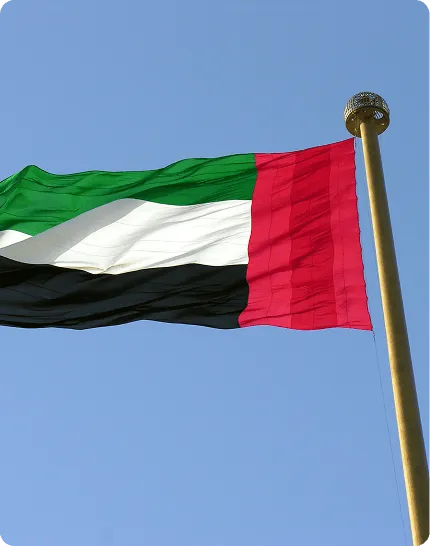
What Is Asset Tokenization in the UAE?
Asset tokenization in the UAE is the process of issuing digital tokens that legally represent ownership rights or economic claims in an underlying asset through a structured legal vehicle. The token itself does not constitute the asset; it reflects rights defined in corporate documents, offering materials, and applicable regulatory approvals.
In compliant structures, the underlying asset — whether real estate, equity, debt, fund units, commodities, or sukuk — is held by a legally incorporated entity. Token holders obtain contractual or statutory rights against that entity, not direct control over the physical asset unless specifically structured otherwise.
The legal enforceability of a tokenized structure depends on:
- Proper incorporation of the asset-holding vehicle,
- Clear documentation of rights attached to the token,
- Regulatory classification consistent with its economic function,
- Compliance with distribution and investor eligibility rules.
In real estate models, tokens typically represent shares in a property-holding SPV rather than direct title in the land registry. The integrity of the structure therefore depends on the legal bridge between the blockchain record and the underlying corporate or property documentation.
Real Estate Tokenization in the UAE
Real estate tokenization in the UAE typically involves the issuance of digital tokens representing ownership interests in a property-holding entity rather than direct title to the land itself. The legal enforceability of investor rights depends on corporate documentation, regulatory classification, and alignment with Dubai Land Department (DLD) registration frameworks.
Certain Dubai initiatives have introduced fractional participation models with entry thresholds from AED 2,000. These structures have been associated with DLD integration mechanisms and documentation aligned with land registration procedures, sometimes referred to as a Property Token Certificate.
A typical real estate tokenization UAE structure may include:
- Incorporation of a special purpose vehicle (SPV) holding the property;
- Issuance of shares or economic interests in that SPV;
- Token representation of those interests on a blockchain layer;
- Regulatory review under VARA (if issued in Dubai mainland);
- Compliance alignment where the token grants investment-style rights.
Where tokens provide dividend distribution, profit participation, or resale rights, the structure may fall within securities or investment activity classification rather than pure asset-referenced issuance.
Secondary trading of tokenized real estate interests requires additional regulatory consideration. Transferability, retail access, and marketing scope materially affect licensing obligations and disclosure standards.
The UAE’s approach to real estate tokenization is hybrid: technological digitization is permitted, but enforceability remains anchored in corporate law, financial regulation, and land registration rules rather than blockchain validation alone.
UAE Asset Tokenization — Quick Regulatory Overview
| Parameter | Value |
|---|---|
| Legal status | Legal when structured under VARA (Dubai mainland), FSRA (ADGM), or DFSA (DIFC) |
| Corporate tax | 9% on profits above AED 375,000 |
| VAT on virtual assets | 0% (clarified 2024, retroactive to January 2018) |
| Typical structuring timeline | 6–12 months (end-to-end) |
| VARA authorization timeline | Commonly 3–8 months (structure-dependent) |
| Secondary trading | Only via licensed trading facilities |
| Real estate tokenization example | Dubai pilot initiatives (e.g., PRYPCO Mint — reported entry from AED 2,000) |
Which Authority Regulates Asset Tokenization in the UAE?
Asset tokenization in the UAE is not supervised by a single regulator. Oversight depends on the jurisdiction of issuance, the economic nature of the token, and whether the activity qualifies as a regulated financial service.
Dubai Mainland — Virtual Assets Regulatory Authority (VARA)
Virtual Assets Regulatory Authority (VARA) supervises virtual asset activities in the Emirate of Dubai, excluding the DIFC. VARA applies an activity-based rulebook covering issuance, brokerage, custody, exchange operations, and asset-referenced token structures.
Where a token qualifies as an Asset-Referenced Virtual Asset (ARVA), issuance requires compliance with the Virtual Asset Issuance Rulebook. Requirements may include disclosure documentation, reserve backing (where applicable), responsible individuals, and ongoing supervisory reporting.
VARA typically governs retail-facing real estate tokenization UAE models structured outside financial free zones.
Abu Dhabi Global Market — Financial Services Regulatory Authority (FSRA)
Abu Dhabi Global Market (ADGM) operates under an English common law framework.
Its regulator, Financial Services Regulatory Authority (FSRA), supervises digital securities, regulated investment activities, and fund structures within ADGM.
Under the ADGM tokenization framework, a token may qualify as a security or a unit in a collective investment fund depending on its characteristics. Licensing is required where activities fall within regulated categories such as dealing, arranging, managing, or operating a multilateral trading facility.
ADGM structures are frequently used for institutional-grade tokenized securities and private equity digitization.
Dubai International Financial Centre — Dubai Financial Services Authority (DFSA)
Dubai International Financial Centre (DIFC) is a separate financial free zone governed by its own legislative system.
Its regulator, Dubai Financial Services Authority (DFSA), oversees digital asset and investment token activities within DIFC.
The DIFC digital assets regime operates under its own rulebook and the Digital Assets Law (https://www.difc.ae/business/laws-and-regulations/legal-database/difc-laws). Tokenized instruments that qualify as investment tokens fall within DFSA supervision, including disclosure and conduct-of-business requirements.
DIFC is often selected for structured products, fund tokenization, and sandbox-style innovation models.
Federal Authorities — SCA and Central Bank of the UAE
Securities and Commodities Authority (SCA) may become relevant where a tokenized instrument qualifies as a security under federal law outside financial free zones.
Central Bank of the UAE (CBUAE) supervises payment systems and may be relevant where tokenized instruments intersect with payment tokens or regulated monetary activities.

What Assets Can Be Tokenized in the UAE?
The UAE does not restrict tokenization to a specific asset class. The determining factor is whether the economic structure and issuance model fall within a regulated perimeter and whether the underlying asset is legally enforceable within the chosen jurisdiction.
Below is a structural overview of asset categories commonly tokenized in the UAE and their typical regulatory positioning.
Asset Tokenization Matrix — UAE Regulatory Mapping
| Real Estate | VARA + DLD (Dubai mainland) | SPV holding structure | Retail (restricted) / Professional | Token represents economic interest in holding entity |
|---|---|---|---|---|
| Private Company Equity | ADGM (FSRA) / DIFC (DFSA) | Share issuance via regulated entity | Professional / Institutional | May qualify as digital security |
| Debt Instruments / Notes | ADGM / DIFC | Structured note or bond vehicle | Professional | Transferability determines securities classification |
| Fund Units | ADGM (FSRA) | Regulated fund structure | Professional / Institutional | Tokenization of fund units and private equity interests |
| Commodities (e.g., gold-backed) | VARA / SCA (case-dependent) | Custody-backed issuance | Mixed | Requires verifiable reserve and custody structure |
| Sukuk / Sharia-compliant instruments | SCA / ADGM | SPV with Islamic finance compliance | Institutional | Must align with securities and Sharia supervisory frameworks |
| Asset-Referenced Virtual Assets (ARVA) | VARA | Licensed issuer entity | Retail or Professional (depending on approval) | Reserve-backed model under Virtual Asset Issuance Rulebook |
Tokenized Securities and Investment Instruments
Within the ADGM tokenization framework and the DIFC digital assets regime, tokenized equity, debt, and fund interests are assessed based on their economic characteristics.
Where a token provides dividend rights, profit participation, or repayment claims, it may qualify as a security or investment token, triggering licensing requirements such as dealing, arranging, managing, or operating a trading venue.
Classification Determines Regulation
Regulatory treatment depends on:
- Transferability,
- Investor category (retail or professional),
- Availability of secondary trading,
- Nature of the rights attached to the token.
What Is an ARVA Under VARA?
An Asset-Referenced Virtual Asset (ARVA) is a category defined under the Virtual Asset Issuance Rulebook of the Virtual Assets Regulatory Authority (VARA) in Dubai mainland. It refers to a virtual asset whose value is linked to an underlying asset or basket of assets, such as real estate, commodities, or financial instruments.
ARVAs are structured to maintain a verifiable economic linkage to the referenced asset base. This typically requires:
- Defined asset backing,
- Disclosure of valuation methodology,
- Governance and reserve transparency,
- Ongoing supervisory compliance.
Where ARVAs are offered to retail participants, disclosure and verification requirements become more stringent.
An ARVA is not automatically a security. However, if the token grants ownership rights, profit participation, or repayment claims comparable to shares or debt instruments, it may instead fall within securities classification under a different regulatory regime.
Regulatory treatment therefore depends on the legal rights attached to the token rather than its technological format. Correct classification at structuring stage is essential to avoid unintended licensing consequences.
VARA vs ADGM vs DIFC — Regulatory Comparison for Asset Tokenization
Asset tokenization in the UAE may be structured under three distinct supervisory environments. The choice affects licensing scope, investor access, legal system, and secondary trading possibilities.
Comparative Overview
| Parameter | VARA (Dubai Mainland) | ADGM (FSRA) | DIFC (DFSA) |
|---|---|---|---|
| Legal system | UAE civil law | English common law | English common law |
| Primary regulator | Virtual Assets Regulatory Authority | Financial Services Regulatory Authority | Dubai Financial Services Authority |
| Typical token category | Asset-Referenced Virtual Assets (ARVAs) | Digital securities / fund units | Investment tokens / digital securities |
| Retail access | May be permitted subject to regulatory approval and enhanced disclosure requirements | Generally restricted | Generally restricted |
| Institutional structures | Permitted | Commonly used | Commonly used |
| Real estate tokenization | Frequently structured under VARA + DLD alignment | Less common | Rare |
| Secondary trading | Requires licensed venue approval | Requires regulated MTF/venue | Requires DFSA-authorised platform |
| Regulatory intensity | Moderate to high (retail-facing scrutiny) | High (prudential and conduct regulation) | High (investment services regime) |
| Core regulatory focus | Virtual asset issuance & service providers | Securities & investment activities | Investment tokens & financial services |
| Use case positioning | Real estate tokenization UAE, ARVA issuance | Private equity, digital securities, fund tokenization | Structured products, regulated token platforms |
Structural Differences in Practice
VARA is often selected for asset-referenced models, particularly in Dubai-based real estate tokenization UAE structures where retail participation is contemplated. Its rulebook focuses on virtual asset issuance and service provider licensing.
ADGM operates under a financial services framework aligned with traditional securities regulation. Tokenized equity, debt, and fund interests frequently fall within its regulated activities perimeter.
DIFC applies a distinct investment token regime and is typically used for structured offerings or institutional distribution models within its financial free zone environment.
Choosing the Appropriate Framework
Selection depends on:
- Whether the token functions as a security or asset-referenced instrument;
- Intended investor base (retail vs professional);
- Need for secondary market trading;
- Preference for civil law vs common law environment;
- Geographic focus of distribution.
The same technological design may require materially different licensing pathways depending on jurisdictional positioning. Early regulatory classification analysis is therefore critical in asset tokenization UAE projects.
How to Tokenize an Asset in the UAE — Step-by-Step
Asset tokenization in the UAE requires regulatory classification, licensing alignment, and supervised issuance.
Step 1: Asset Identification and Legal Feasibility
Confirm that the underlying asset can be legally held, transferred, or economically assigned through a corporate structure. For real estate tokenization UAE projects, this includes title review and alignment with Dubai Land Department (DLD) requirements.
Step 2: Structuring the Legal Wrapper
Incorporate an appropriate holding vehicle — typically an SPV, regulated fund, or licensed issuer entity — in Dubai mainland, ADGM, or DIFC. The asset must be legally vested in this entity before token issuance proceeds.
Step 3: Regulatory Classification Analysis
Determine whether the proposed token qualifies as:
- Asset-Referenced Virtual Asset (ARVA),
- Security or investment token,
- Fund unit,
- Another regulated instrument.
This stage defines licensing scope and supervisory authority.
Step 4: Licensing or Regulatory Approval
Where required, submit application materials to the competent regulator. Documentation typically includes:
- Business plan,
- Token disclosure materials,
- Governance structure,
- Compliance and AML/KYC framework,
- Identification of responsible individuals.
Review timelines vary based on investor scope (retail vs professional) and structural complexity.
Step 5: Token Issuance Framework Preparation
Prepare issuance documentation, including:
- Token terms and attached rights;
- Offering memorandum or disclosure statement;
- Investor eligibility criteria;
- Transfer restrictions.
Issuance may be limited to professional investors unless retail approval is obtained.
Step 6: Technology Deployment
Deploy smart contracts consistent with approved legal structure. Technical implementation must reflect transfer controls, investor verification, and governance rules defined in documentation.
Step 7: Custody and Asset Control Setup
Establish custody arrangements (where applicable), reserve management mechanisms, and governance controls over token supply.
Step 8: Ongoing Compliance and Reporting
Continuous obligation post-approval
Post-issuance requirements may include:
- Periodic reporting,
- External audit (structure-dependent),
- Maintenance of compliance function,
- Regulatory supervision.
Overall Timeline
A fully compliant asset tokenization UAE structure typically requires 6 to 12 months from structuring to issuance, depending on:
- Jurisdiction selected (VARA, ADGM, DIFC);
- Whether retail participation is contemplated;
- Asset complexity;
- Regulatory feedback cycles.
Technology development rarely determines the timeline. Regulatory clearance and structural alignment are usually the pacing factors.

Cost of Asset Tokenization in the UAE — Comparative Overview
| Cost Component | VARA (Dubai Mainland) | ADGM (FSRA) | DIFC (DFSA) |
|---|---|---|---|
| License application fees | Moderate | High | High |
| Regulatory capital | Structure-dependent | Typically required (activity-based) | Typically required (activity-based) |
| Incorporation & office | Local setup required | ADGM entity setup required | DIFC entity setup required |
| Compliance officer / MLRO | Required | Required | Required |
| Disclosure documentation | Required (ARVA/issuance rulebook) | Required (securities/fund regime) | Required (investment token regime) |
| Audit obligations | Structure-dependent | Generally required | Generally required |
| Retail approval (if applicable) | Increases cost & scrutiny | Limited retail scope | Limited retail scope |
| Secondary trading authorization | Additional approval | Regulated MTF required | DFSA-authorised venue required |
| Estimated Year 1 total | USD 80,000 – 200,000+ | USD 120,000 – 350,000+ | USD 120,000 – 300,000+ |
Final cost depends primarily on regulatory category and capital requirements rather than technology deployment.
Timeline: How Long Does Licensing Take in the UAE?
Licensing timelines for asset tokenization in the UAE depend on jurisdiction, asset type, and investor scope.
Indicative timeframes:
- VARA (Dubai mainland): regulatory review typically ranges from several months to over six months, depending on structure complexity and investor scope.
- ADGM (FSRA): typically 4–8 months for regulated securities or fund-related activities, subject to capital and governance review.
- DIFC (DFSA): generally 4–8 months depending on activity category and supervisory feedback cycles.
Additional timing factors:
- Retail participation increases review depth,
- Secondary trading approval adds regulatory layers.
- Cross-border distribution may require parallel compliance work,
- Real estate structures may require coordination with Dubai Land Department.
From structuring to issuance, most asset tokenization UAE projects require 6–12 months in total, assuming timely regulatory engagement and complete documentation.
Timeframes are indicative and subject to supervisory discretion.
What Taxes Apply to Tokenized Assets in the UAE?
Tax treatment of tokenized structures in the UAE depends on the nature of the activity, the legal entity involved, and whether the structure qualifies for free zone benefits.
Corporate Income Tax
The UAE applies a 9% federal corporate income tax on taxable profits exceeding AED 375,000. Income below that threshold is taxed at 0%.
Entities established in ADGM or DIFC may qualify for 0% corporate tax on qualifying income, provided they meet substance requirements and do not conduct excluded mainland activities.
Token issuance itself does not automatically trigger taxation. Tax exposure typically arises from:
VAT Treatment
Following regulatory clarification issued in 2024, qualifying virtual asset transactions are treated as VAT-exempt, with retroactive effect from January 2018. This applies to certain digital asset transfers but does not automatically cover all service-related activities.
Advisory, structuring, and platform services may remain subject to VAT where applicable.
Withholding and Personal Income Tax
The UAE does not impose:
However, cross-border distributions may trigger tax obligations in the investor’s home jurisdiction.
Who Is Asset Tokenization in the UAE Suitable For?
Asset tokenization in the UAE is typically appropriate for projects requiring regulated capital formation, cross-border investor access, or structured asset distribution within a controlled supervisory environment.
It is commonly used by:
Real estate developers
Seeking fractional capital deployment models or structured participation vehicles aligned with Dubai Land Department requirements.
Private equity sponsors and family offices
Digitizing ownership interests or restructuring portfolio assets for controlled secondary liquidity.
Fund managers
Tokenizing fund units within ADGM or DIFC frameworks to streamline investor onboarding and reporting.
Commodity-backed issuers
Structuring reserve-backed virtual assets or ARVA models under VARA supervision.
Islamic finance structures
Where sukuk-backed or asset-based Sharia-compliant instruments are digitized within a regulated perimeter.
Cross-border digital asset platforms
Requiring jurisdictional clarity and regulatory positioning within MENA markets.
Asset tokenization UAE is not suitable for unregulated public fundraising or anonymous retail distribution models. It is a regulated financial structuring mechanism requiring licensing alignment and compliance architecture.
Regulatory Structuring Support
Gofaizen & Sherle advises on asset tokenization UAE projects as part of a broader regulated business practice spanning 50+ jurisdictions and 800+ completed licensing and regulatory structuring engagements across fintech, digital assets, and capital markets.
Rather than treating licensing as a filing exercise, the firm designs the regulatory architecture behind the issuance — aligning classification, governance, and supervisory scope so the structure remains operational post-approval and scalable across markets.
Support typically includes:
- jurisdiction selection and regulator mapping (VARA / ADGM / DIFC);
- classification of tokenized instruments and licensing perimeter definition;
- capital and governance structuring aligned with supervisory expectations;
- AML/CTF framework design and compliance function setup;
- coordination of corporate, regulatory, and operational implementation as a unified workflow;
- cross-border distribution and jurisdictional risk assessment.
The objective is regulatory sustainability — ensuring that the token model remains compliant not only at issuance, but throughout ongoing supervisory oversight.
Frequently Asked Questions (FAQ)
Is asset tokenization legal in the UAE?
Yes. Asset tokenization is legal in the UAE when structured under VARA, ADGM, or DIFC supervision. The legality depends on proper classification, licensing (where required), and adherence to investor protection rules.
Which authority regulates asset tokenization in the UAE?
Regulation depends on jurisdiction and structure. VARA supervises virtual asset activities in Dubai mainland, FSRA regulates digital securities and funds in ADGM, and DFSA oversees investment tokens within DIFC. Federal authorities such as SCA or the Central Bank may become relevant depending on the instrument.
What is an ARVA under VARA?
An Asset-Referenced Virtual Asset (ARVA) is a token whose value is linked to an underlying asset or basket of assets. ARVAs require compliance with VARA’s issuance rulebook and may involve disclosure, reserve transparency, and supervisory reporting obligations.
What is the difference between an ARVA and a security token?
An ARVA references asset value, while a security token grants ownership, profit participation, or repayment rights comparable to shares or debt instruments. If a token provides investment-style rights, it may fall under securities regulation rather than ARVA classification.
Can foreigners tokenize assets in the UAE?
Yes. Foreign investors may establish entities in Dubai mainland, ADGM, or DIFC subject to local incorporation and licensing requirements. Investor nationality does not prevent token issuance, but compliance obligations must be met.
Do I need a local office to tokenize assets in the UAE?
In most regulated scenarios, a licensed entity with a registered office in the chosen jurisdiction is required. ADGM and DIFC operate as financial free zones with their own corporate presence requirements.
Can real estate be tokenized directly on the blockchain?
No. In real estate tokenization UAE models, tokens typically represent shares in a property-holding entity rather than direct land registry title. Legal enforceability depends on corporate documentation and alignment with Dubai Land Department requirements.
How long does it take to obtain a tokenization license?
Licensing typically requires 3–8 months depending on jurisdiction and structure. Complex retail-facing or securities-style models may extend timelines. End-to-end structuring often takes 6–12 months.
How much does asset tokenization cost in the UAE?
Indicative Year 1 structuring and licensing costs range from approximately USD 80,000 to USD 350,000+, depending on regime and complexity. Regulatory capital requirements, compliance staffing, and audit obligations may increase total expenditure.
Are tokenized assets subject to VAT in the UAE?
Qualifying virtual asset transactions are treated as VAT-exempt under updated regulatory clarification. However, advisory, structuring, and platform services may remain subject to VAT depending on the activity.
Are there corporate taxes on tokenized structures?
The UAE applies a 9% federal corporate tax on profits exceeding AED 375,000. Free zone entities in ADGM and DIFC may qualify for 0% tax on qualifying income, subject to substance requirements.
Can tokenized assets be traded on secondary markets?
Secondary trading is permitted only through licensed venues and subject to regulatory approval. Transferability restrictions and investor eligibility rules must be embedded in the token structure.
What is the minimum capital requirement for asset tokenization in the UAE?
Minimum capital depends on regulatory classification. VARA and ADGM licensing categories may impose capital adequacy thresholds based on activity type, risk exposure, and retail involvement. There is no single uniform capital amount applicable to all tokenization models.