
 Financial
 Real & Physical
 Americas
 Europe
 Asia
Asia

Gambling License in Mozambique
Last Update:
A Mozambique gambling license provides legal access to one of the fastest-growing gaming markets in Southeast Africa, backed by structured regulation and oversight. Gofaizen & Sherle offers comprehensive support for securing a Mozambique gambling license, guiding operators through the application process, regulatory requirements, and ongoing compliance obligations.
Mozambique’s gambling sector has been expanding steadily, fueled by tourism growth and increasing domestic interest in gaming. Operators seeking to enter this market must navigate a clear but specialized regulatory framework that distinguishes between casino concessions, sports betting, and amusement gaming.
This guide will help you understand the key aspects of obtaining a gambling license in Mozambique, including:
- Regulatory framework – Learn how Mozambique’s gaming laws and government authorities oversee and regulate the industry.
- License types and eligibility – Understand which licenses are available and the requirements for both local and international operators.
- Application process and costs – Gain insight into procedural steps, fees, and financial obligations associated with licensing.
- Compliance and operational obligations – Explore ongoing reporting, auditing, and responsible gaming measures to maintain good standing.
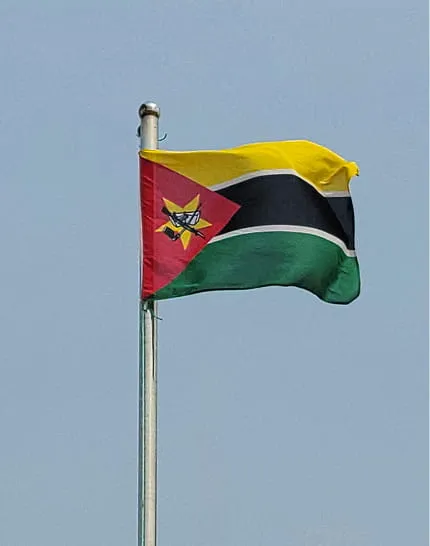
Regulatory Framework: Mozambique Gambling Law
Mozambique’s gambling industry is governed by a legal and regulatory framework designed to regulate games of chance, protect players, promote responsible gaming, and ensure the orderly development of the sector. The core laws and regulatory architecture balance state oversight with commercial opportunity, primarily focusing on land‑based casinos, sports betting, lotteries, and amusement games. Operators and investors should understand these foundational elements to navigate the licensing environment effectively.
Legal Basis for Gambling Activities
Gambling activities in Mozambique are primarily regulated by Law No. 1/2010, which establishes the overarching legal framework for games of chance, including casinos and other types of gambling. This law defines the conditions under which gambling operations may be conducted and outlines the state’s role in overseeing and issuing concessions or licenses. It has been further implemented and adapted through subsequent regulatory instruments, including regulatory decrees and amendments that detail specific operational requirements, technical standards, and enforcement mechanisms.
In addition to the principal gambling law, Mozambique has separate statutory provisions for social games and amusement activities, such as lotteries, raffles, and certain non‑casino games. These are governed by the Social Games and Amusement Law, which provides a tailored regulatory regime for games that are generally considered lower risk or recreational in nature.
The legislative framework reflects both domestic policy objectives and broader international standards related to responsible gaming, anti‑money laundering, and consumer protection. The statutes also impose specific prohibitions, such as barring persons under 18 from participating in regulated gambling, and delineate the permissible scope of activities that may be offered by licensed operators.
Regulatory Authorities
The principal regulatory authority in Mozambique is the Inspeção‑Geral de Jogos (IGJ), or the General Gaming Inspection, which operates under the supervision of the Ministry of Economy and Finance. IGJ is the body responsible for administering the licensing process, inspecting gambling premises, supervising compliance with legal and regulatory requirements, and enforcing gaming law provisions across casino operations, sports betting, and other regulated games.
IGJ also plays a critical role in coordinating with other government entities, such as the Ministry of Tourism, which is involved in structuring and evaluating public tenders for casino concessions, and the National Gaming Commission, which assists in assessing competitive bids for land‑based gaming rights. Collectively, these authorities ensure that gambling activities align with national policy, economic development goals, and public welfare considerations.
Scope of Regulated Activities
Under Mozambique’s regulatory framework, a range of gambling activities are regulated, including:
- Land‑based casinos, where table games and slot machines are offered under formal concession agreements.
- Sports betting, including retail and certain forms of online betting, which require specific licensing.
- Lotteries and bingo operations, which are regulated under the social and amusement law.
- Machine rooms and amusement gaming venues, which may operate under distinct authorizations tailored to the risk profile and venue type.
- Other regulated games of chance are subject to regulatory approval and oversight.
While online gambling is recognized under the legal framework, in practice only online sports betting currently has a specific licensing and regulatory pathway; online casinos and other digital games of chance are not yet fully licensed under a designated online regime, representing a developing area of regulation in Mozambique.
Legislative Reforms and Sector Evolution
The regulatory architecture in Mozambique has evolved over time to modernize the industry, adapt to market trends, and attract responsible investment. Reforms have been introduced to clarify licensing procedures, technical and operational compliance requirements, and to expand the permissible scope of games that licensed operators may offer. These reforms also aim to integrate international standards for responsible gaming, anti‑money laundering (AML), and responsible advertising practices.
Overall, Mozambique’s gambling law framework reflects a structured approach that supports economic development through regulated gaming activities while prioritizing player protection and sector integrity. Understanding these foundational regulatory elements is essential for any operator considering entering the Mozambican market.
Types of Gambling Licenses in Mozambique
Mozambique offers a structured licensing regime that caters to various gambling formats, ranging from large-scale casinos to social games and sports betting. Understanding the license types and their specific scopes is critical for operators planning to enter the market. Each license comes with defined permissions, operational boundaries, and regulatory requirements. Below is a detailed overview of the main types of gambling licenses available in Mozambique:
| License Type | Description | Scope of Activities |
|---|---|---|
| Casino Concession | A full license issued to large-scale casino operators, often through public tender or concession agreements. | Permits table games (roulette, blackjack, poker), slot machines, and other casino games in approved venues. Requires high capital commitment and strict compliance with IGJ regulations. |
| Sports Betting License | Allows operators to offer betting on sports events, including both domestic and international competitions. | Covers retail betting outlets, online sports betting platforms, and mobile apps (where permitted). Must adhere to responsible gambling and reporting obligations. |
| Social & Amusement Games Authorization | Designed for operators of lower-risk games such as lotteries, raffles, bingo, and amusement machines. | Suitable for public events, small venues, or charitable gaming. Licensing ensures compliance with social gaming regulations and consumer protection standards. |
| Machine Room License | Required for venues operating slot machines or electronic gaming machines outside full casino premises. | Permits operation of multiple gaming machines in entertainment complexes, bars, or standalone venues. Machines must meet technical standards and undergo regular inspection. |
| Other Games of Chance License | For specialized or niche games not covered under standard categories. | Includes raffles, prize draws, and emerging game formats. Requires prior approval from IGJ and compliance with applicable gaming law provisions. |
Eligibility Requirements: Who Can Apply for Gambling License in Mozambique
Obtaining a gambling license in Mozambique requires operators to meet strict eligibility and regulatory standards designed to ensure integrity, financial stability, and compliance with local laws. Both domestic and foreign companies can apply, but specific criteria must be fulfilled before an application will be considered by the Inspeção‑Geral de Jogos (IGJ). Understanding these requirements is crucial to avoid delays or rejection during the licensing process.
- Legal Entity and Local Presence
Applicants must be legally registered entities. Foreign operators typically need to establish a local subsidiary or partnership to meet Mozambique’s jurisdictional requirements. This local presence ensures compliance with corporate governance rules, taxation obligations, and operational oversight. - Fit & Proper Standards
Mozambique’s regulatory authorities emphasize the integrity and professional conduct of operators and their executives. Applicants and key personnel must demonstrate that they are fit and proper, with no history of criminal activity, fraud, or regulatory violations. This evaluation includes background checks, financial assessments, and verification of previous business activities in the gaming or related sectors. - Financial and Capital Requirements
Certain license types, particularly casino concessions, require significant capital investment. Applicants must demonstrate sufficient financial capacity to establish, operate, and maintain gaming operations in accordance with IGJ standards. This includes evidence of solvency, audited financial statements, and the ability to meet ongoing operational expenses, taxes, and fees. - Operational and Technical Compliance
Applicants must commit to meeting operational, technical, and security standards mandated by law. This encompasses proper venue conditions, certified gaming equipment, secure IT systems for reporting and player protection, and adherence to responsible gaming protocols.
Key Eligibility Requirements at a Glance
- Legal registration as a corporate entity in Mozambique or a recognized foreign jurisdiction.
- Establishment of a local presence for foreign operators.
- Demonstration of fit & proper status for owners, directors, and senior management.
- Proof of financial capacity, including capital commitments and solvency evidence.
- Commitment to comply with operational, technical, and reporting obligations.
- No involvement in illegal gambling or criminal activity in prior business operations.
Meeting these eligibility criteria is essential for a successful application and smooth regulatory review. Operators that fail to demonstrate financial, operational, or ethical suitability risk delays, additional scrutiny, or outright denial of their license application. Proper preparation, thorough documentation, and alignment with IGJ expectations are key factors in securing a license in Mozambique.
Licensing Process in Mozambique
Securing a gambling license in Mozambique requires operators to navigate a structured, multi-stage process overseen by the Inspeção‑Geral de Jogos (IGJ). While timelines and requirements can vary by license type, the licensing process generally follows a clear sequence designed to ensure that operators meet regulatory, financial, and operational standards. Below is a step-by-step overview of the licensing workflow.
Step 1: Pre‑Application Checks
Before submitting an official application, operators should conduct thorough due diligence to confirm eligibility and assess market feasibility. Key pre-application steps include confirming legal entity registration and, for foreign operators, establishing a local subsidiary or partnership. Internal compliance and risk assessments, including financial capability, management qualifications, and prior operational history, should be conducted. Operators should also identify the license type appropriate for their intended gaming activity and engage legal or regulatory advisors, such as Gofaizen & Sherle, to review documentation requirements, timelines, and potential regulatory hurdles.
Pre-application diligence helps prevent delays, ensures that all regulatory expectations are met, and positions the operator for a smoother review process.
Step 2: Documentation Preparation
The IGJ requires comprehensive documentation to evaluate license applications. Typical documentation includes:
- Corporate registration documents and proof of local presence.
- Financial statements, capital commitment evidence, and solvency certifications.
- Curriculum vitae and background checks for directors, key management, and shareholders to confirm fit and proper status.
- Detailed business plan outlining proposed operations, investment, and risk management measures.
- Technical specifications for gaming equipment, software, and reporting systems.
- Responsible gaming policies, AML/KYC procedures, and internal controls.
Properly compiled and accurate documentation is critical, as incomplete or inconsistent submissions may lead to delays or outright rejection.
Step 3: Application Submission
Once documentation is prepared, the formal application is submitted to the IGJ. Applications must clearly identify the license type, scope of operations, and supporting evidence. Some licenses, particularly casino concessions, may require submission through public tender processes managed by the Ministry of Tourism in coordination with the IGJ.
Step 4: Regulatory Review and Evaluation
After submission, the IGJ conducts a thorough review, which typically includes:
- Verification of corporate and financial standing.
- Background checks on owners, directors, and senior management.
- Assessment of operational, technical, and responsible gaming measures.
- Inspection of proposed gaming premises, including machine rooms, casinos, or sports betting outlets.
The review may involve additional requests for clarification or supplementary documentation. Operators are expected to respond promptly to avoid prolonging the evaluation timeline.
Step 5: License Issuance
Upon satisfactory review, the IGJ grants the license, detailing the scope, conditions, and duration of authorization. Licensees must comply with all operational and reporting obligations, including annual renewals, tax reporting, and regulatory inspections.
Typical Timelines
While timelines vary depending on license type, complexity, and completeness of the application, operators can generally expect:
- Pre-application and preparation: 2-4 months,
- Regulatory review: 3-6 months,
- Final issuance: 1-2 months.
Costs, Financial Commitments & Taxation
Mozambique’s gambling regime imposes a combination of licensing costs, investment thresholds, and ongoing tax obligations that vary based on activity type, concession length, and scale of operations. Operators should budget not only for application and renewal fees but also for capital commitments, special gaming taxes, and other fiscal obligations tied to gross gaming revenue (GGR) and player payouts. Understanding these financial requirements is essential for investment planning, competitive bidding, and long‑term compliance.
License Costs & Tax Overview
| Cost / Tax Item | Amount / Rate | Description |
|---|---|---|
| Application Fee (per modality) | ~100,000 MZN (~€3,800 / US$4,000) | Standard fee to submit a license application for each gaming category. |
| Annual Renewal Fee | ~100,000 MZN (~€3,800 / US$4,000) | Renewal payment required to maintain license validity. |
| System Homologation | ~80,000 MZN (~€3,000 / US$3,200) | Technical approval of systems (software, RNG, reporting). |
| Venue Annual Fee (per room) | ~25,000 MZN (~€950 / US$1,000) | Charged annually for each licensed gaming room. |
| Minimum Share Capital (Casino) | ~US$2.7 M+ | Required equity for a casino concession applicant. |
| Minimum Investment (Casino) | ~US$5.5 M+ over 5 yrs | Minimum development / capex commitment for casino concessions. |
| Special Tax on Gaming (GGR) | 20%–35% | Levied on casino gross gaming revenue based on concession duration. |
| GGR Tax – Retail Operations | 8% | Monthly tax on gross gaming revenue from retail betting/casino. |
| GGR Tax – Online Betting | 10% | Monthly tax on online sports betting GGR. |
| Corporate Income Tax | 32% | Annual tax on net profits. |
| Withholding Tax (Player Winnings) | 10% | Deducted at payout on cash prizes. |
| Stamp Duty | 50% of ticket price | Applies to casino admission tickets. |
One‑Time and Renewal Costs
The formal license application and renewal structure in Mozambique are generally transparent, with a specified application fee of approximately 100,000 meticais per modality and an equivalent amount for renewal each cycle. Technical homologation (the certification of gaming systems and software) is also a distinct payment. Smaller venue fees apply annually, scaled per room or gaming suite.
For casino operators, the upfront financial bar is considerably higher. Regulatory requirements mandate a minimum share capital of roughly US$2.7 million and a capital investment commitment of at least US$5.5 million over five years, reflecting the substantial infrastructure and operational complexity of full casino concessions.
Gross Gaming Revenue (GGR) Taxes
Taxes on gaming revenue form a significant part of ongoing costs for license holders. Mozambique’s tax framework distinguishes between operational categories: retail betting and casino establishments typically face an 8% monthly levy on GGR, whereas online sports betting is subject to a 10% monthly GGR tax. These rates are calculated on the revenue retained after player payouts but before other deductions.
For casino concessions granted under long‑term contracts, a Special Tax on Gaming (STG) applies progressively based on concession length, starting at 20% of GGR for up to 14‑year terms and increasing to 35% for longer contracts. This tiered structure rewards shorter concessions with relatively lower rates but is a substantial recurring fiscal obligation for operators.
Corporate and Withholding Taxes
In addition to gaming‑specific levies, operators are subject to Mozambique’s broader corporate tax regime. Net profits are taxed at a 32% corporate income tax rate, while 10% withholding tax on cash prizes is deducted at the point of payout to players.
Casinos also incur a stamp duty equating to 50% of casino admission ticket prices, a unique fiscal item that increases the cost of patron access while generating additional revenue for the state.
Fiscal Planning and Compliance
Operators must budget for both periodic and irregular financial commitments, from annual fees and tax remittances to capital deployment obligations for property and equipment. Regular reporting of revenue, tax computations, and adherence to statutory deadlines is required. Failure to comply with tax reporting or payment obligations can lead to enforcement actions, fines, or license suspension under Mozambique’s gaming and fiscal laws.
Compliance and Post‑Licensing Obligations
Once a gambling license is granted in Mozambique, operators must maintain full compliance with legal, regulatory, and operational standards to preserve their authorization. The Inspeção‑Geral de Jogos (IGJ) closely monitors licensed entities, ensuring adherence to reporting, financial, and technical requirements. Compliance is essential not only to avoid penalties but also to build trust with regulators and customers.
Key post-licensing obligations include financial reporting, technical certification, and responsible gaming measures. Operators must submit accurate revenue reports and tax filings, maintain properly certified gaming equipment, and adhere to anti-money laundering (AML) and know-your-customer (KYC) procedures. Regular audits and inspections by IGJ are standard, and operators are expected to address any deficiencies promptly.
Advantages of a Mozambique Gambling License
Obtaining a gambling license in Mozambique offers operators access to a growing and strategically positioned market in Southeast Africa. The licensing framework combines regulatory oversight with investment opportunities, providing both operational clarity and commercial potential. While the market presents notable advantages, operators should also be aware of certain challenges inherent in the regulatory and business environment.
| Advantages | Key Considerations / Risks |
|---|---|
| Access to one of the fastest-growing gaming markets in Africa. | Limited online casino licensing currently in place. |
| Clear regulatory framework for casinos, sports betting, and social games. | High capital and investment thresholds for full casino concessions. |
| Structured licensing process with defined fees and obligations. | Some procedural delays may occur during public tenders for casino concessions. |
| Opportunity to participate in both land-based and emerging digital betting markets. | Regulatory reforms are ongoing, and changes may affect long-term operational planning. |
| Supportive legal environment for foreign operators establishing local subsidiaries | Requires careful compliance with financial, technical, and reporting obligations. |
| Integration with tourism and hospitality sectors enhances revenue potential. | |
| Strong regulatory oversight ensures player protection and operational integrity. | |
| Defined taxation and reporting requirements allow for predictable fiscal planning. |
Mozambique’s gambling market combines growth potential with structured regulatory safeguards, making it attractive for operators who are prepared to meet the country’s investment, compliance, and technical standards. The advantages outweigh the risks for operators who plan strategically and engage experienced advisors to navigate the licensing process efficiently.
Why Professional Assistance Matters
Navigating Mozambique’s gambling licensing framework requires both local expertise and international regulatory insight. Gofaizen & Sherle provides end-to-end support for operators seeking to enter this growing market, ensuring that every stage of the licensing process is handled efficiently and in full compliance with Mozambican law.
Our services begin with a comprehensive regulatory assessment, where we evaluate the operator’s eligibility, proposed gaming model, and investment readiness. We identify the appropriate license type (whether a casino concession, sports betting, social games authorization, or machine room license) and advise on corporate structuring, local presence requirements, and capital commitments.
We assist with documentation preparation, ensuring all corporate, financial, technical, and operational records meet IGJ standards. This includes business plans, technical system certifications, AML/KYC protocols, and management credentials. Our team coordinates with the regulator on behalf of the operator, streamlining submissions, responding to queries, and minimizing delays.
Once a license is granted, our team supports ongoing compliance and operational obligations, including revenue reporting, tax filings, audits, and responsible gaming measures. Our guidance ensures operators remain fully aligned with Mozambican law and avoid penalties or regulatory complications.
By combining local regulatory knowledge with international industry experience, Gofaizen & Sherle empowers operators to focus on business growth while we handle the complexities of licensing, compliance, and technical approvals. For operators planning to enter Mozambique’s gambling market, our firm is a trusted partner in navigating both procedural and strategic challenges efficiently.
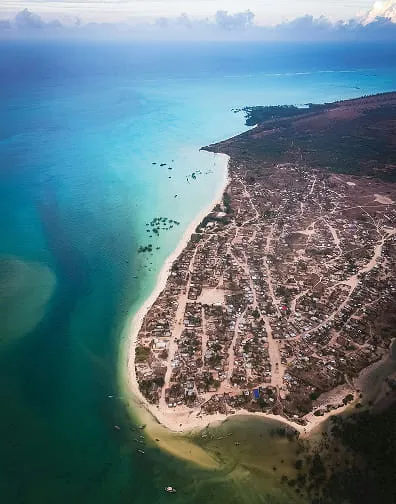
Mozambique Gambling License: Key Takeaways
Mozambique offers a structured and growing gambling market, with licensing opportunities for casinos, sports betting, social games, and machine operations. The sector is regulated by the Inspeção‑Geral de Jogos (IGJ) under Law No. 1/2010, with clear rules for eligibility, licensing, and compliance. Operators must meet fit & proper standards, demonstrate financial capacity, and maintain operational and technical standards.
Licensing involves pre-application checks, documentation preparation, submission, IGJ review, and formal issuance. Costs include application and renewal fees, minimum capital investment for casinos, and GGR-based taxes. Compliance obligations cover reporting, responsible gaming, and audits. Understanding these elements is essential for operators seeking strategic entry into Mozambique’s gambling market.
Key Summary Table
| Category | Details / Requirements |
|---|---|
| Regulatory Authority | Inspeção‑Geral de Jogos (IGJ), under Ministry of Economy and Finance |
| Legal Framework | Law No. 1/2010 (Gambling Law) and related regulatory decrees |
| License Types | Casino concessions, sports betting (retail & online), social & amusement games, machine rooms, other games of chance |
| Financial Commitments | Casino share capital: ~US$2.7 M; Minimum investment: ~US$5.5 M over 5 years |
| Licensing Costs & Fees |
|
| Taxation |
|
| Typical Timeline | 2-4 months (pre-application) + 3-6 months (review) + 1-2 months (issuance) |
| Post-Licensing Compliance | Revenue reporting, technical certification, AML/KYC, responsible gaming policies, IGJ audits & inspections |
Frequently Asked Questions about Gambling License in Mozambique
Who can apply for a gambling license in Mozambique?
Both domestic and foreign companies can apply. Foreign operators must establish a local subsidiary or partnership to meet regulatory requirements. Applicants must meet fit & proper standards, demonstrate financial capacity, and comply with operational obligations.
What types of gambling licenses are available?
Mozambique offers licenses for land-based casinos, sports betting (retail and online), social and amusement games (lotteries, raffles, bingo), machine rooms, and other specialized games of chance. Each license has specific scope and requirements.
What are the main costs associated with licensing?
Application and annual renewal fees are approximately 100,000 MZN (~US$4,000) per modality. Casino operators must meet minimum share capital (~US$2.7M) and investment commitments (~US$5.5M over five years). Additional taxes include GGR taxes (8–35%), corporate income tax (32%), and stamp duty on casino tickets.
How long does the licensing process take?
Typically, pre-application and preparation take 2–4 months. Regulatory review lasts 3–6 months, and license issuance can take 1–2 months, depending on license type and completeness of documentation.
What are the main compliance obligations after receiving a license?
Operators must maintain certified gaming equipment, submit regular revenue and tax reports, implement AML/KYC protocols, enforce responsible gaming measures, and facilitate IGJ audits and inspections.
Connect with our experts
Our experts will tell you how to do it as quickly and easily as possible.


By clicking the button, I confirm that I have read the privacy policy and consent to the collection and processing of my personal data in accordance with the GDPR rules.