
 Financial
 Real & Physical
 Americas
 Europe
 Asia
Asia

Gaming License
Last Update:
The online gambling sector is one of the fastest-expanding regulated industries globally. Over the past several years, more than 40 jurisdictions have introduced new gaming legislation or revised existing licensing frameworks, creating multiple legal pathways for market entry. As a result, gambling license approval timelines typically range from 6 weeks to 6 months, depending on jurisdiction, regulatory workload, and compliance scope.
Quick Facts
| Parameter | Typical Range |
| Licensing cost | €17,000 (Anjouan) to €47,940 (Estonia) |
| Approval timeline | 6 weeks to 6 months |
| Tax treatment | Tax-neutral offshore to EU corporate regimes |
| Minimum capital | Jurisdiction-dependent |
| License term | Fixed-term or renewable |
Market overview and licensing landscape
The global online gambling market expanded from $63.53 bn in 2022 to approximately $78–80 bn by the mid-2020s and is projected to reach around $153.57 bn by 2030, reflecting an average annual growth rate of about 11.9%. Licensing costs generally range from €17,000 in cost-effective offshore hubs like Anjouan to approximately €48,000 in Tier-1 and EU-regulated jurisdictions such as Curaçao (LOK) and Estonia. Tax treatment varies from preferential or tax-neutral gambling regimes to standard corporate and sector-specific taxes, while minimum capital requirements and license terms remain jurisdiction-dependent. EU-regulated market access is commonly achieved through selected jurisdictions including Estonia and Malta.
Regulatory authorities
The sector is regulated by specialized authorities including the Malta Gaming Authority (MGA), UK Gambling Commission (UKGC), Curaçao Gaming Control Board, and Estonia’s Tax and Customs Board, each maintaining distinct licensing standards and compliance requirements.
Crypto gambling licenses
Crypto gambling licenses remain one of the most requested regulatory solutions in 2025–2026 as operators increasingly target international and digital-asset markets. Jurisdictions such as Curaçao, Anjouan, and Tobique allow the use of cryptocurrencies and blockchain-based payments, subject to AML/CFT compliance, source-of-funds verification, and enhanced player due diligence.
Under the LOK framework supervised by the Curaçao Gaming Control Board, licensed operators may accept crypto deposits and payouts while maintaining regulatory reporting, transaction monitoring, and responsible gambling controls. This makes Curaçao a structured and transparent option for crypto-focused casinos operating under state supervision rather than legacy master-license models.
Anjouan and Tobique are commonly used for faster and more cost-efficient crypto gambling projects. Anjouan licenses are administered under the Anjouan Offshore Finance Authority via its official administrator, while Tobique licenses are issued by the Tobique Gaming Commission.
In practice, successful crypto gambling operations rely on hybrid fiat-crypto payment models, combining licensed platforms with compliant AML policies, crypto payment gateways, and specialized high-risk EMI or banking solutions, including SEPA and SWIFT corridors for crypto-friendly jurisdictions.
About Gofaizen & Sherle
Gofaizen & Sherle provides end-to-end legal support for obtaining gambling licenses across more than 15 jurisdictions worldwide. The firm assists with jurisdiction selection, regulatory strategy, licensing documentation, compliance framework setup, and interaction with gambling regulators to support lawful market entry and platform launch. In addition to licensing, Gofaizen & Sherle assists gambling operators with high-risk merchant accounts, payment service provider onboarding, and cross-border banking solutions.
What is an online gambling license?
An online gambling license is an official authorization issued by a specialized regulatory authority that allows gambling operators to legally offer casino games, sports betting, poker, bingo, and lottery services in compliance with gambling regulations and player protection standards. Depending on the jurisdiction and license scope, the authorization may permit operations locally, across multiple markets, or internationally within a defined regulatory framework.
A gambling license is required when a company accepts wagers, processes gambling transactions, or operates gaming platforms while controlling player funds. The license establishes mandatory compliance obligations, including AML/CFT controls, player verification procedures, responsible gambling measures, and ongoing regulatory oversight. It also demonstrates regulatory compliance to players, payment providers, commercial partners, and supervisory authorities.
Regulatory authorities
- Malta Gaming Authority: https://www.mga.org.mt.
- UK Gambling Commission: https://www.gamblingcommission.gov.uk.
- Curaçao Gaming Control Board: https://www.gaming-curacao.com.
- Estonian Tax and Customs Board: https://www.emta.ee.
Why an online gambling license is required
A gambling license performs three essential regulatory functions.
- Legal authorization
Confirms the operator’s right to provide gambling services in accordance with the applicable regulatory framework. - Player protection and trust
Demonstrates compliance with fairness standards, secure payment processing, data protection requirements, and dispute resolution procedures. - Commercial and market access
Enables cooperation with payment processors, game software providers, hosting companies, and advertising platforms that require licensed operators.
How to choose a gambling license?
Choosing a gambling license depends on the operator’s business model, target markets, and regulatory risk profile. There is no single license suitable for all gambling businesses, as licensing frameworks vary significantly between jurisdictions.
One of the primary factors is target market geography. Some licenses restrict gambling operations to a single country, while others allow cross-border or international activity. Player location, advertising rules, and payment acceptance requirements often determine whether a license is commercially viable.
The type of gambling activities offered also influences license selection. Regulatory conditions differ for online casinos, sports betting, poker, lotteries, or mixed gambling platforms.
Another important consideration is regulatory reputation and compliance level. EU-regulated licenses generally involve higher compliance standards and stronger player protection obligations, whereas offshore jurisdictions may offer simplified entry with lower costs, but potential limitations related to banking or payment services.
In practice, operators select a gambling license by balancing regulatory credibility, operational flexibility, licensing costs, and long-term scalability.
Who needs a gambling license?
Every market participant is required to obtain the appropriate iGaming licenses in order to operate legally. It confirms the company’s reputation with partners and customers, reduces legal risks, opens access to banks, payment systems, and advertising platforms, and creates opportunities for cooperation with leading technology providers. The terms “online gaming license,” “remote gambling license,” and “iGaming license” cover all types of digital gambling.
B2C (operators working with players)
- Online casinos – slots, roulette, blackjack, baccarat, live dealers, online tournaments, streaming formats.
- Bookmakers – betting on sports, esports, political events, virtual competitions, including live betting and cash out.
- Lotteries and bingo – traditional and instant lotteries, online bingo.
B2B (business-to-business)
- Software developers – game studios, CMS, bonus management systems, analytics
- Payment providers – crypto payments, bank transfers, e-wallets; with enhanced AML/KYC control.
- Technology providers – CRM, risk management systems, fraud detection, integration solutions.
- Affiliates and marketing – affiliate programs, advertising agencies, which are also subject to licensing in several countries.
Additional market participants:
- Auditing companies – game testing, RNG, technical audit.
- Consulting agencies – legal, technical, and strategic support.
- Management companies – white label solutions and a full cycle of services for launching projects.
Advantages of having a Gaming License
Holding a gambling license is a fundamental regulatory requirement for operators offering online gambling services in regulated markets. Licensing places the business under the supervision of recognized authorities such as the Malta Gaming Authority, the UK Gambling Commission, the Curaçao Gaming Control Board, or the Estonian Tax and Customs Board, depending on the jurisdiction. Beyond legal authorization, a gambling license directly influences an operator’s regulatory standing, access to banking and payment infrastructure, cooperation with software and service providers, and overall operational stability. Key advantages include:
Business legitimacy
A gambling license establishes a company’s right to accept players under the supervision of a regulator. This eliminates the risk of blockages and disputes with supervisory authorities. Operating without a license constitutes illegal activity.
Tax advantages
Different jurisdictions offer favorable tax regimes: Curacao – 2%, Estonia up to 5%, Malta – a progressive system. Banks and payment systems only open accounts for licensed operators. This allows for tax optimization.
Player trust
An online gambling license guarantees control over the fairness of games and the safety of deposits. Mandatory audits of random number generators confirm reliability. Players trust operators who work openly under supervision.
Access to regulated markets
European countries such as Germany and Sweden are closed to unlicensed sites. A license opens up access to these markets. This means the ability to attract more customers legally.
Cooperation with partners
Game developers and content aggregators require a valid license for cooperation. Most companies also work only with licensed operators. This is a prerequisite for connecting premium software and reliable payment solutions.
Legal protection
Licensing protects operators from criminal liability associated with illegal gambling. It provides predictability and legal security. This allows you to calmly plan your strategy for years to come.
Responsible gaming
Regulators require the implementation of time and deposit limits, as well as the option of self-exclusion. Risk notifications are also mandatory. These mechanisms strengthen the operator’s reputation in the market.
Gaming License Requirements
Gambling license requirements are established by regulatory authorities to assess the financial reliability, integrity, and operational transparency of gambling operators. While specific licensing conditions vary by jurisdiction, regulators generally apply comparable principles aimed at ensuring lawful, fair, and responsible gambling activity.
1. Corporate transparency and legal structure
Applicants must demonstrate full transparency of their legal and ownership structure. This includes disclosure of incorporation details, beneficial owners (commonly from 10% ownership), directors, and key management personnel. Licensing authorities routinely conduct background checks, require criminal record certificates, and verify the lawful source of funds to assess integrity and suitability.
2. Operational and compliance framework
Regulators assess how the gambling business operates in practice. Applicants are expected to submit a detailed business plan with financial projections, together with documented AML/CFT and KYC policies aligned with FATF standards. Responsible gambling measures, internal controls, and risk management procedures form a core part of the compliance review.
Technical documentation is also required, covering the gaming platform, payment systems, data protection controls, and game fairness mechanisms, including RNG testing and certification where applicable.
3. Financial requirements and sustainability
Financial stability is a central element of the licensing assessment. While requirements differ by jurisdiction, gambling regulators typically apply clearly defined capital and safeguarding criteria:
- Minimum capital: from €100,000 (Malta), €350,000 (Estonia), £50,000+ (UK),
no formal minimum in certain offshore jurisdictions such as Curaçao and Kahnawake; - Financial documentation: Audited financial statements, proof of source of funds, solvency evidence;
- Banking arrangements: Operational bank account with an approved banking partner and segregation of player funds;
- Safeguards: Adequate financial protection or insurance coverage for player balances.
Insufficient capitalization, lack of transparency, or concerns regarding funding sources may result in enhanced regulatory scrutiny or refusal of the license.
4. Player protection and social responsibility
Player protection is a mandatory licensing requirement. Regulators require operators to implement age and identity verification, self-exclusion tools, deposit and loss limits, fair gaming controls, secure payment processing, and complaint-handling procedures. Compliance with data protection and privacy regulations, including GDPR where applicable, applies throughout the license term.
5. Regulatory oversight and ongoing compliance
Licensing obligations extend beyond approval. Licensed operators are subject to continuous regulatory supervision, including reporting obligations, audits, inspections, and cooperation with the regulator. Requirements apply to all parties involved in the gambling operation, including owners, directors, employees, and key partners.
In practice, failure to meet licensing requirements may lead to application rejection, extended review periods, or increased regulatory scrutiny. Full compliance supports predictable licensing outcomes and provides a stable legal foundation for long-term gambling operations.
How to Get a Gaming License
Obtaining a gambling license involves a structured regulatory process designed to assess the legal, financial, and operational readiness of a gambling operator. While procedures vary by jurisdiction, licensing authorities generally follow a comparable approval logic focused on transparency, compliance, and long-term sustainability.
Step 1: Jurisdiction selection and license scope definition
The process begins with selecting the appropriate licensing jurisdiction based on target markets, gambling products, and regulatory objectives. At this stage, the scope of the license is defined, including permitted activities such as online casino games, sports betting, poker, or lottery products. Jurisdiction selection determines compliance standards, capital requirements, tax treatment, and market access.
Step 2: Corporate structuring and ownership disclosure
Before submitting an application, the operator establishes a legal entity and prepares a transparent ownership structure. Licensing authorities require disclosure of beneficial owners, directors, and key management personnel, together with supporting documentation. Regulators assess integrity, control, and suitability at this stage.
Step 3: Preparation of licensing documentation
Applicants prepare a comprehensive set of regulatory documents. This typically includes a business plan with financial projections, AML/CFT and KYC policies aligned with FATF standards, responsible gambling measures, internal controls, and technical documentation describing the gambling platform and payment systems. Proper documentation preparation significantly affects review speed.
Step 4: Regulatory application review
Once the application is submitted, the licensing authority conducts a formal regulatory review. This phase includes background checks, assessment of financial stability, evaluation of compliance frameworks, and analysis of operational readiness. Regulators may request clarifications or additional documentation during this stage.
Step 5: Technical assessment and compliance verification
For online gambling operations, regulators often perform a technical assessment. This may include verification of gaming software, RNG certification, payment flow analysis, data protection controls, and cybersecurity measures. In some jurisdictions, independent testing by accredited laboratories is required.
Step 6: License approval and registration
Following successful completion of regulatory and technical reviews, the gambling license is issued. At this stage, the operator completes registration formalities and transitions into post-licensing compliance.

Total estimated timeframe: approximately 3 to 7 months, depending on jurisdiction, regulator workload, and application complexity.
Jurisdiction-specific licensing timelines
While timelines vary, typical approval periods include:
- Curaçao: approximately 8–16 weeks,
- Kahnawake: approximately 2–3 months,
- Malta: approximately 4–6 months,
- Estonia: approximately 4–5 months,
- United Kingdom: approximately 4–6 months.
These timelines assume complete documentation, transparent ownership structures, and no material regulatory issues identified during review.
Types of online gaming licenses
Gaming licenses vary depending on where they are issued and what activities they regulate. In the context of online gaming, here are some common types of licenses:
- Business-to-Business (B2B) license
Game developers use a license to present their gaming products to gambling operators. It allows them to enter into agreements and make their games available on virtual casino sites. - Business-to-Consumer (B2C) license
Used to provide services directly to online casino users. - Gambling licenses
Required for operators that offer real money games, such as online casinos, poker rooms, or sports betting companies. - Licenses for the provision of betting services
This type of license is needed to provide betting services on sporting events or other activities. - Gaming platforms licenses
Required for the creation and use of gaming platforms, where many types of games are presented. - Software License
This is a license that is required for developers to create and distribute gaming software.
It is important to note that each country or region has its laws and regulations when it comes to online gaming licensing.
Popular Gaming Jurisdictions
Choosing the right gambling jurisdiction is a strategic decision that affects licensing costs, approval timelines, tax treatment, market access, and long-term regulatory stability. While licensing frameworks differ by country, most operators select jurisdictions based on a balance between regulatory credibility, speed of approval, compliance burden, and commercial objectives.
Below is a comparative overview of the most commonly used gambling licensing jurisdictions for online casino and betting operators.






Isle of Man
- 0.1%-1.5% – tax on gambling activity on gross income, 0% – tax on profits and capital gains
- Member of the white list of organizations of economic development and cooperation
- One license for all types of games, valid for 5 years
- Modern telecommunication infrastructure
- Government supports the industry
- Low application fee of £5000
- The fee for applying for a license is $35,000.
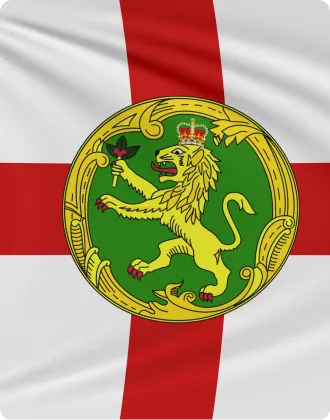
Alderney
- Regulated by the Alderney Gambling Control Commission (AGCC).
- No VAT, corporate, or gaming taxes.
- Quick and transparent application process.
- Excellent technological and financial services for operators.
- Trusted by global gambling operators for its reliability and security.
- First license fee: £30,000.

Cyprus
- Governed by the National Betting Authority (NBA).
- Favorable tax rates, with a corporate tax of 12.5%.
- First license fee: €30,000 for 1 year and €45,000 for 2 years
- Relatively quick approval process, around 3-6 months.
- Access to the European market with strong legal protections.
- Options for both remote and land-based gaming operators.


Costa Rica
- No official gambling license.
- Operates based on a “”gambling operator”” permit.
- No taxes on gambling income.
- The fee for applying for a license is US$6,750.
- No official minimum capital requirement.
- The time for obtaining a license varies from 1 to 3 months.
- Companies can operate worldwide with few restrictions.

El Salvador
- Managed by the Ministry of Finance and the National Gambling and -Lottery Directorate.
- Competitive tax rates on gaming revenues.
- The first license fee varies depending on the operation but is generally affordable.
- No minimum capital requirement specified.
- License processing time typically ranges from 1 to 3 months.
- El Salvador is the first country to adopt Bitcoin as legal tender, offering flexibility for crypto-based gaming operations.

Philippines
- Overseen by the Philippine Amusement and Gaming Corporation (PAGCOR).
- Competitive tax rates and incentives for operators.
- The first license fee varies depending on the nature of the operation.
- Minimum capital requirement depends on the type of gaming operation.
- License processing time typically ranges from 3 to 6 months.
- A key jurisdiction for both online and land-based gambling.
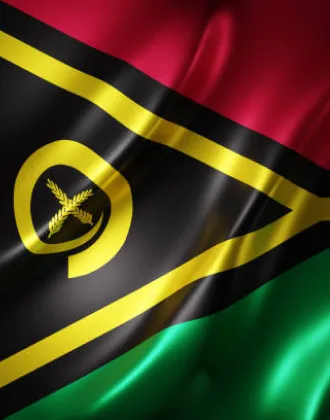
Vanuatu
- Governed by the Vanuatu Financial Services Commission (VFSC).
- Low tax rates, with no taxes on gaming income.
- The first license fee starts at approximately $15,000.
- Minimum capital requirement varies but is generally low.
- License processing time typically ranges from 2 to 3 months.
- Known for its flexibility and favorable conditions for online gaming operators.

Anjouan
- Anjouan is a cost-effective option with competitive licensing fees and zero tax on gaming revenue.
- Licenses are granted within 3-4 weeks, allowing operators to start quickly.
- Covers a wide range of gambling activities under a single license.
- Simplified application process with no strict local presence rules.
- Ensures compliance with AML/CFT regulations and regular reporting.
- Suitable for startups and established operators seeking efficient licensing solutions.
| Jurisdiction | Regulator | License cost (approx.) | Timeline | Tax treatment | Key notes | Best suited for |
|---|---|---|---|---|---|---|
| Estonia | Estonian Tax and Customs Board | €47,940 | ~4 months | 6% GGR (remote gambling), scheduled to increase to 7% from 2026. Proposed reduction to 4% GGR under parliamentary discussion (2028) | EU jurisdiction, 5-year license | Regulated EU operators |
| Curaçao | Curaçao Gaming Control Board | ~€47,000/year (B2C)
~€24,000/year (B2B) |
8–16 weeks | Low effective corporate tax under the LOK framework (subject to substance and structuring) | LOK framework (2025), single license | International startups |
| Malta | Malta Gaming Authority | €25,000+ | 3–6 months | ~5% effective GGR | Tier-1 EU reputation | Established operators |
| Kahnawake | Kahnawake Gaming Commission | $40,000 (incl. 1st year)
$20,000 renewal |
2–3 months | 0% corporate / gaming tax | CPA model, strong recognition | Crypto & iGaming |
| Isle of Man | Isle of Man Gambling Supervision Commission | £36,750–£52,500 | 3–6 months | 0.1%–1.5% GGR | OECD white-list | Enterprise operators |
| Alderney | Alderney Gambling Control Commission | £27,500–£47,500 | 3–6 months | No VAT, no gaming tax | High compliance standards | Large operators |
| Cyprus | National Betting Authority | €30,000 (1y)
€45,000 (2y) |
2–6 months | 10% GGR + 3% levy | Sports betting focus | EU sportsbooks |
| Tobique | Tobique Gaming Commission | ~€36,000 | 1–2 months | 0% income tax | No office required | Fast launch projects |
| Vanuatu | Vanuatu Financial Services Commission | From ~$15,000 | 2–3 months | 1% GGR tax | New framework (since Jul 2024) | Offshore operators |
| Anjouan | Anjouan Gaming Authority | ~€17,000–€22,000 | 3–4 weeks | 0% gaming tax | Fast, simplified licensing | Startups |
| Costa Rica | — | No license fee | — | Corporate tax regime only | No official gambling license | Payment / hosting setups |
Gambling License Cost and Approval Timeline 2026
Gambling license cost and timeline. Typical annual costs range from €15,000 to €47,940 depending on jurisdiction and license scope. Approval timelines vary from 1–4 weeks in fast-launch jurisdictions to 8–16 weeks in balanced frameworks and up to 4–6 months in Tier-1 EU regulators. Costs usually reflect government and supervision fees, while corporate structuring, banking, and compliance setup are assessed separately.
Gaming License Suspension or Revocation
The regulator has the right to temporarily restrict or completely revoke igaming licenses if the operator commits serious violations. Such cases include late mandatory payments, submission of inaccurate data, weak AML/KYC control, mass complaints from players, or refusal to conduct an audit. Usually, the operator receives a notification and time to correct the violation, but if the violations are repeated, the license is revoked.
The main reasons and their consequences are presented in the table below:
| Reason | Consequence |
|---|---|
| Non-payment of license fees or taxes | Suspension of license, revocation in case of repeated violations |
| Violation of license terms or legislation | Sanctions up to complete revocation |
| Inaccurate information when submitting documents | Refusal to issue or revocation of an existing license |
| Participation of owners or management in fraudulent or criminal activities | Immediate revocation, possible criminal prosecution |
| Refusal to provide access to documents, systems, or sites | Suspension until violations are remedied |
| Lack of confirmation of financial stability or business reputation | Revocation of license based on suitability review |
| Violation of player protection and responsible gambling standards | Suspension with a requirement to implement corrective measures |
Risks of Operating an Online Gaming Business without a License
Regulation of virtual gambling establishments contributes to tax payments to the state budget and provides an opportunity to control the gambling industry, reducing the likelihood of such threats as fraud, legalization of criminal income, and the problem of gambling addiction. Doing business without an appropriate license can hurt the image and stability of the entire industry.
Without an online gambling license, companies face several problems.
- Loss of trust of the players. Usually, they choose licensed casinos, which guarantee the security of their data and the fairness of the game.
- Financial institutions may refuse to cooperate with unregulated operators, as the license guarantees that the operator is not engaged in illegal activities.
- Software and game developers often avoid working with unregulated operators to protect their reputations.
- In addition, unregulated operators run the risk of being blocked on major platforms and facing legal problems, up to and including business closure and imprisonment.
General Conclusion
Choosing a gambling license in 2026 is a strategic compliance decision, not a pricing exercise. Licensing costs typically range from €15,000 to €47,940 per year, approval timelines from 1 week to 6 months, and tax exposure from 0% to 18%, depending on the jurisdiction. The selected framework directly determines payment access, market reach, regulatory risk, and scalability.
The market has consolidated into three clear segments:
- Tier-1 jurisdictions (EU-focused, high credibility, longer timelines),
- balanced international frameworks (faster launch with structured oversight),
- startup jurisdictions (rapid entry with limited banking scope).
A key 2024–2025 trend is the end of “low-control” licenses, as former offshore regimes introduced GGR-based taxation and active supervision.
Bottom line: the optimal license is the one aligned with the operator’s target markets, payment strategy, tax model, and growth plans—not the lowest upfront fee.
FAQ about Gaming License
How much does a gambling license cost?
In 2026, the cost of a gambling license typically ranges from €15,000 to €47,940 per year. The final budget depends on the jurisdiction, license type (B2C or B2B), regulatory fees, applicable gambling taxes, and ongoing compliance obligations. EU-regulated jurisdictions usually sit at the higher end of this range, while international frameworks offer lower entry costs.
How long does it take to get a gambling license?
Licensing timelines vary depending on the regulator and project complexity. Fast-launch jurisdictions may issue licenses within 1–4 weeks, balanced international frameworks usually require 2–3 months, while Tier-1 EU regulators apply deeper review procedures that extend timelines to 4–6 months.
What are the requirements for a gambling license?
Although requirements differ by jurisdiction, regulators generally expect transparent corporate ownership, disclosed beneficial owners, verified sources of funds, AML/KYC and responsible gambling policies, and a compliant gaming platform. Directors and shareholders are subject to fit-and-proper checks, and regulators assess both legal and operational readiness.
Who regulates gambling activities?
Gambling activities are supervised by national or regional authorities, each with its own regulatory framework. Key regulators include the Malta Gaming Authority, the Estonian Tax and Customs Board, the Curaçao Gaming Control Board, the Isle of Man Gambling Supervision Commission, and the Kahnawake Gaming Commission. These authorities define licensing rules, tax treatment, and ongoing compliance standards.
What is the minimum capital required for a gambling license?
Capital requirements differ significantly by jurisdiction. Highly regulated EU frameworks require higher financial thresholds, with €350,000 in Estonia. Cyprus applies a lower threshold of €30,000, usually combined with mandatory bank guarantees depending on the license type. In contrast, jurisdictions such as Curaçao, Kahnawake, Anjouan, and Tobique do not impose formal minimum capital requirements, focusing instead on source of funds and operational sustainability.
Can foreigners get a gambling license?
Yes. Most gambling jurisdictions allow foreign founders, directors, and shareholders. In many cases, applicants do not need to relocate or establish a physical office locally, particularly in Curaçao, Kahnawake, Anjouan, and Tobique. Some EU jurisdictions may require limited local substance or appointed officers.
What taxes apply to gambling companies?
Tax treatment varies widely. Some jurisdictions apply low or zero gambling taxes, while others impose GGR-based taxation ranging from 1% to 7%, with higher rates for lotteries or specific verticals. For example, Curaçao applies a low effective tax under the LOK regime, Vanuatu applies a 1% GGR tax, and EU jurisdictions typically apply higher sector-specific gambling taxes. Corporate income tax may apply separately depending on structure.
What documents are needed for a gambling license?
A standard application package includes company incorporation documents, shareholder and director KYC, a business plan with financial forecasts, AML/CFT and responsible gambling policies, technical descriptions of the gaming platform, and banking or source-of-funds confirmations. Regulators may request additional documents during the review process.
Malta vs Curaçao gambling license — which is better?
A Malta gambling license offers strong regulatory reputation and EU market access but involves higher capital requirements, stricter compliance, and longer approval timelines. Curaçao provides faster licensing, lower entry costs, and operational flexibility, making it popular for international and crypto-focused projects. The better option depends on target markets, banking strategy, and long-term growth objectives.
Can a gambling company be registered remotely?
Yes. In most jurisdictions, gambling companies can be incorporated and licensed entirely remotely through authorized representatives. This is common practice in Curaçao, Kahnawake, Anjouan, Tobique, and Panama. EU jurisdictions may require limited local presence or ongoing substance.
Why operators choose Gofaizen & Sherle
Gofaizen & Sherle assists gambling operators across multiple jurisdictions by combining regulatory strategy with practical execution. The firm supports jurisdiction selection, corporate structuring, licensing documentation, AML/KYC setup, and regulator communication. This approach reduces approval risks, shortens time to market, and helps align licensing decisions with payment processing and long-term compliance needs.
Connect with our experts
Our experts will tell you how to do it as quickly and easily as possible.


By clicking the button, I confirm that I have read the privacy policy and consent to the collection and processing of my personal data in accordance with the GDPR rules.