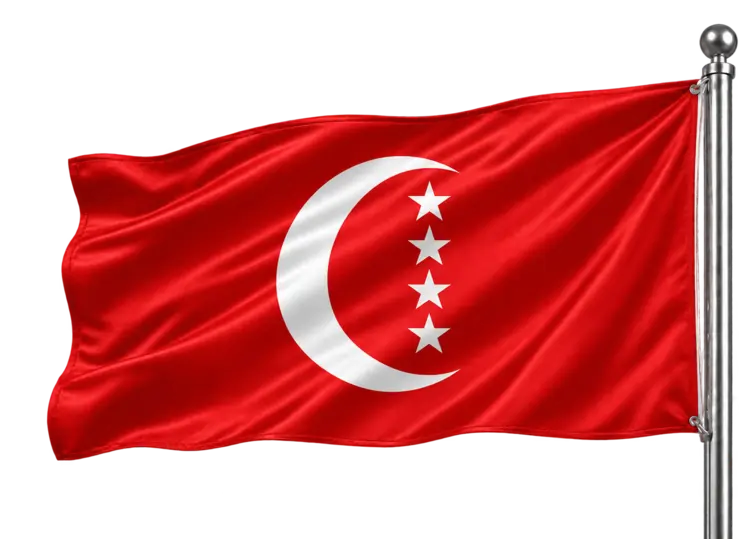
Anjouan Gambling License
Last Update: 24.03.2026
An Anjouan gambling license has emerged as one of the most discussed offshore regulatory options for online gaming operators in recent years. Following regulatory changes in several traditional offshore jurisdictions, many iGaming businesses began exploring alternative licensing frameworks that offer faster approval timelines and flexible operational structures. Issued through the Anjouan Offshore Finance Authority (AOFA), this license is commonly used by international online casinos, sportsbooks, and gaming platforms targeting global markets.
Gofaizen & Sherle supports operators throughout the licensing process, from regulatory assessment and documentation preparation to communication with the licensing authority and post-licensing compliance.
The offshore gambling licensing landscape has undergone notable changes over the past few years. As certain long-standing jurisdictions introduced stricter regulatory regimes and more demanding compliance requirements, many operators began searching for alternative licensing hubs capable of supporting international iGaming projects with a more streamlined approach.
Within this context, the island of Anjouan (part of the Union of the Comoros) has rapidly attracted attention as an emerging licensing jurisdiction for online gaming businesses. The local regulatory authority issues authorizations covering a broad range of digital gambling activities and allows foreign operators to establish internationally focused platforms.
This guide explains the key aspects of obtaining an Anjouan gambling license, including:
- Regulatory framework – how the jurisdiction oversees and authorizes online gaming activities.
- License structure – the difference between B2C operator licenses and B2B provider authorizations.
- Application process and costs – the main procedural steps, timelines, and government fees involved.
- Compliance obligations – ongoing requirements operators must meet to maintain regulatory approval.

Key Facts Table
| Category | Key Information |
|---|---|
| Jurisdiction | Anjouan, Comoros |
| Regulator | Anjouan Offshore Finance Authority (AOFA) |
| License Type | B2C (operator) and B2B (supplier) |
| Approval Time | 4-8 weeks (varies with application completeness) |
| Validity | 1 year, renewable |
| Core Benefit | Streamlined offshore licensing for international operators |
Regulatory Environment and Legal Framework in Anjouan
The regulatory framework governing online gambling in Anjouan forms part of the island’s broader strategy to position itself as an offshore hub for international digital businesses. As an autonomous island within the Union of the Comoros, Anjouan has developed a licensing structure intended to attract global iGaming operators while maintaining a formal administrative framework for oversight and registration.
Supervision of gambling licensing is generally associated with the Anjouan Offshore Finance Authority (AOFA) and related administrative bodies responsible for processing applications, maintaining registries of licensed companies, and overseeing compliance with licensing conditions. The legal basis for remote gaming activities is commonly linked to the jurisdiction’s Betting and Gaming Act, which regulates internet-based casino gaming, sports betting, lotteries, poker platforms, and other forms of online wagering.
Although the framework is typically viewed as more flexible than the systems applied by major European regulators, it still includes defined requirements relating to corporate transparency, due diligence, and basic compliance standards.
From a structural perspective, the Anjouan regulatory model supports two primary licensing roles within the online gaming ecosystem:
- B2C (Business-to-Consumer) operator licenses, which allow companies to run gambling platforms and provide services directly to players.
- B2B (Business-to-Business) provider licenses, which apply to software developers, platform providers, aggregators, and other technical suppliers supporting licensed operators.
The B2C license represents the core authorization used by most operators entering the jurisdiction. One notable characteristic of this model is its broad operational scope: a single license can generally cover multiple gaming verticals, allowing companies to operate casino games, sports betting, poker, and other interactive gaming services within the same regulatory approval.
Recent regulatory developments have also introduced additional structural requirements for B2C operators. In practice, applicants must demonstrate that their platform operates using approved gaming infrastructure. This is typically achieved through a contractual relationship with either a licensed Anjouan B2B provider or a software supplier recognized in the jurisdiction’s official register of approved technology partners.
Key regulatory characteristics of the Anjouan gambling framework include:
- A centralized licensing authority responsible for reviewing applications and issuing authorizations.
- Legal recognition of remote gambling services offered to international markets.
- Due diligence checks on shareholders, directors, and beneficial owners.
- Mandatory internal compliance policies, including AML and KYC procedures.
- Registration of licensed operators, domains, and technical partners in official records.
Another notable feature of the system is its emphasis on administrative efficiency. Compared with many established gaming regulators, the procedures are designed to reduce bureaucratic complexity while still requiring applicants to provide structured corporate documentation and compliance policies.
In practice, regulatory supervision generally focuses on several core areas of operator activity:
- Verification of company ownership and management structure;
- Compliance with financial transparency and reporting expectations;
- Implementation of player protection and responsible gaming measures;
- Monitoring of anti-money-laundering and counter-terrorism financing controls;
- Proper use of the license within the scope approved by the authority.
Because the jurisdiction primarily licenses companies serving international markets, operators must also consider the legal requirements of the countries in which their services are offered. Holding an Anjouan license does not automatically grant the right to provide gambling services in every jurisdiction, and businesses are expected to assess local regulations when targeting specific regions.
Overall, the regulatory model can be described as a structured offshore licensing regime: formal rules exist, oversight is centralized, and compliance obligations are defined, while the application process remains significantly more accessible than in many highly regulated gambling jurisdictions. This combination of structure and accessibility has contributed to the growing interest in Anjouan among international iGaming operators.
Types of Gambling Licenses in Anjouan
The licensing framework in Anjouan distinguishes primarily between operator licenses (B2C) and supplier licenses (B2B) within the broader remote gaming authorization system. In practice, most companies entering the jurisdiction apply for a Business-to-Consumer (B2C) operator license, which allows them to provide gambling services directly to players through online platforms.
One of the defining features of the Anjouan licensing model is its broad operational scope. Unlike some jurisdictions that issue separate licenses for individual gaming verticals, the Anjouan B2C license can generally cover multiple gambling activities within a single authorization, provided these activities are disclosed during the application process.
| License Type | Scope of Activities | Typical Use Case |
|---|---|---|
| B2C Operator License | Authorization to operate an online gambling platform and provide gaming services directly to players. A single license can typically cover casino games, sports betting, poker, lotteries, and other interactive gaming activities. | International online casinos, sportsbook platforms, and multi-product gaming websites serving global players. |
| B2B Supplier License | Authorization for companies that develop or provide gaming software, platforms, infrastructure, or technical services used by licensed operators. | Game developers, platform providers, aggregators, white-label infrastructure providers, and other technology vendors. |
The B2C operator license represents the core authorization within the system and is the license most commonly used by online casino and sportsbook operators. A single license can typically support a multi-product platform combining casino games, sports betting, and other interactive gaming services.
Alongside operator licensing, the jurisdiction also provides B2B authorization for companies that supply technology or services to licensed operators. These may include platform developers, game studios, payment technology providers, and content aggregators.
Recent regulatory practice has also introduced a technology-provider requirement for B2C operators. To obtain an operator license, applicants are generally expected to demonstrate that their platform uses approved gaming infrastructure. This is typically satisfied by partnering with either:
- a company holding an Anjouan B2B license, or
- a recognized software provider included in the jurisdiction’s official register of approved suppliers.
This structure allows the licensing framework to support both operator-driven gambling platforms and technology providers, creating a flexible ecosystem for different types of international iGaming businesses.
Key Advantages of the Anjouan License
For many iGaming startups and expanding operators, the Anjouan gambling license has emerged as a practical entry point into the international online gaming market. In recent years, the offshore licensing landscape has shifted considerably, particularly as some long-established jurisdictions have introduced stricter regulatory frameworks and additional compliance requirements. Within this environment, Anjouan has attracted increasing attention as an alternative licensing destination for international operators. Several factors contribute to the growing popularity of the jurisdiction:
- Relatively accessible regulatory framework – The licensing structure is designed to accommodate international operators without imposing the extensive capital and infrastructure requirements often seen in highly regulated markets.
- Faster approval timelines – Application procedures are generally more streamlined, allowing many operators to move from preparation to operational launch within a matter of weeks rather than months.
- Broad B2C operational scope – A single operator license can typically cover multiple gaming verticals, including online casino games, sports betting, poker platforms, and other interactive gambling services.
- Growing role within the offshore licensing market – As regulatory conditions tightened in some traditional offshore jurisdictions, a significant number of new iGaming projects began exploring alternative licensing options, contributing to rapid growth in the number of operators choosing Anjouan.
- Accessibility for international businesses – Foreign entrepreneurs and companies can apply for licensing without the extensive local presence requirements commonly imposed by many European regulators.
Another notable advantage is the flexibility of the operational model. Because the B2C license generally covers a wide range of gaming activities under a single authorization, operators can launch a platform with several products simultaneously rather than applying for multiple separate licenses.
For businesses seeking a faster route to market while still operating under a defined regulatory framework, the Anjouan license has therefore become an increasingly visible option within the offshore iGaming ecosystem.
Potential Risks and Considerations
Although the Anjouan licensing framework offers practical advantages, operators should also evaluate several considerations before selecting the jurisdiction for their gaming project. As with many offshore licensing regimes, market perception and regulatory expectations can vary across different regions and industry partners.
One commonly discussed factor is regulatory reputation. Major regulators such as those in Europe typically apply extensive due-diligence procedures, strict operational supervision, and detailed reporting obligations. Because the Anjouan licensing model is comparatively streamlined, some partners and service providers may classify it differently within their internal risk assessments. This does not invalidate the license itself, but it can influence how certain stakeholders evaluate a project.
Operators should also consider several practical factors when planning their market strategy:
- Market access limitations – Holding an offshore license does not automatically authorize gambling services in countries that require local licensing. Operators must still comply with the laws of the markets they target.
- Payment and financial partner checks – Banks, payment gateways, and fintech providers typically conduct independent compliance reviews before supporting gambling businesses, and additional documentation may sometimes be requested.
- Platform reputation considerations – In highly regulated markets, players may be more familiar with well-known licensing authorities, which can influence brand perception and marketing strategies.
- Technology partnership requirements – Recent regulatory practices require B2C operators to demonstrate cooperation with approved gaming platform providers, such as companies holding a B2B license in the jurisdiction or suppliers recognized by the local registry.
Another element to consider is the evolving regulatory environment. As the jurisdiction has grown rapidly in popularity within the iGaming sector, it has attracted increased attention from regulators, market observers, and industry participants. As with many developing offshore frameworks, regulatory practices and requirements may continue to evolve over time.
For many operators, these considerations do not outweigh the advantages of faster licensing and lower entry costs. Nevertheless, conducting a careful legal and commercial assessment before selecting a jurisdiction remains an important step in building a sustainable iGaming business model.
Requirements for Obtaining the License in Anjouan
Obtaining a gambling license in Anjouan requires operators to meet a combination of corporate, compliance, and personnel-related standards. The licensing authority evaluates each application carefully to ensure that the applicant demonstrates legal, financial, and operational credibility before authorization is granted.
Corporate Requirements
Applicants must first establish a formal corporate entity that will serve as the licensed operator. The regulator typically requires the company to be properly incorporated, with documented registration in the jurisdiction or an approved offshore structure recognized by Anjouan authorities. Shareholder and ownership structures must be transparent, and all beneficial owners should be clearly identified to prevent opaque or shell arrangements. The licensing authority also reviews registered details such as the company’s official address, contact information, and any appointed local agents or representatives.
Additionally, the corporate entity should have clearly defined operational objectives, including a description of planned gaming activities, target markets, and technological infrastructure. In practice, operators are generally expected to demonstrate access to approved gaming software or platform infrastructure, typically through cooperation with a licensed B2B provider or a supplier recognized by the Anjouan regulatory registry. This ensures that the regulator can assess whether the business model aligns with the licensing framework and that the operator has the resources and governance in place to conduct gaming activities responsibly.
Companies are expected to maintain accurate corporate records and demonstrate proper corporate governance practices. Failure to provide complete corporate documentation or unclear ownership structures can result in delays or rejection of the license application. Overall, meeting these corporate requirements establishes a foundation of legitimacy, transparency, and accountability necessary for regulatory approval.
Compliance Framework
Operators are required to implement internal compliance policies that demonstrate their ability to meet regulatory standards. Key elements include:
- Anti-Money Laundering (AML) and Know Your Customer (KYC) procedures to verify player identities and prevent illicit transactions;
- Responsible gambling measures to protect players and promote fair play;
- Internal policies and documentation covering operational risk management, record keeping, and reporting procedures.
These measures are assessed by the regulator as part of the application and ongoing oversight.
Key Personnel Checks
The licensing authority conducts due diligence on all directors and beneficial owners associated with the company. Background verification includes criminal records, previous regulatory infractions, and financial history. Ensuring that key personnel meet integrity and reliability standards is critical for approval and helps maintain the jurisdiction’s credibility in the international gaming market.
Step-by-Step Licensing Procedure
Obtaining a gambling license in Anjouan involves a structured process designed to ensure that operators meet both corporate and compliance standards. Each stage is carefully evaluated by the Anjouan Offshore Finance Authority to verify legitimacy, transparency, and operational readiness. Below is a step-by-step breakdown of the typical licensing procedure.
Step 1: Company Preparation
Before submitting an application, operators must ensure that a corporate entity is properly established to act as the licensed operator. This includes incorporating a company within an acceptable legal structure, identifying beneficial owners, and defining the governance framework. At this stage, operators should also clarify the scope of their planned gaming activities and determine whether any additional technical or regulatory requirements will apply. Proper preparation minimizes delays during the subsequent documentation and submission phases.
Step 2: Documentation Collection
The next stage involves compiling all required documents that the regulator uses to assess eligibility and operational readiness. These documents must demonstrate the company’s corporate legitimacy, compliance policies, and the integrity of its key personnel. Typical documentation includes:
- Corporate registration certificates and shareholder records,
- Articles of incorporation or bylaws,
- Identification documents for directors and beneficial owners,
- Compliance policies covering AML/KYC procedures and responsible gaming measures,
- Technical and operational descriptions of gaming platforms and software.
Comprehensive documentation not only facilitates smoother evaluation but also demonstrates the operator’s commitment to regulatory standards and good governance.
Step 3: Application Submission
Once all documentation is collected, the formal application is submitted to the Anjouan Offshore Finance Authority. The submission must include completed application forms, supporting corporate documents, compliance manuals, and any additional materials requested by the regulator. Applications are typically submitted electronically or through an authorized local representative. Clear, complete, and accurate submissions reduce the likelihood of delays or requests for additional information. Operators are also expected to provide a detailed business plan and operational overview that outlines intended markets, player protection measures, and platform functionality.
Step 4: Due Diligence Review
Following submission, the regulator conducts a thorough due diligence review to verify the applicant’s credibility and compliance readiness. This stage is one of the most critical, as approval depends on both corporate transparency and the integrity of key personnel. The review typically includes:
- Background checks on directors, beneficial owners, and key staff;
- Verification of financial statements and the source of funds;
- Assessment of corporate governance and internal control policies;
- Evaluation of AML/KYC procedures and responsible gambling measures;
- Review of operational and technical readiness for gaming activities.
The due diligence process can take several weeks, depending on the complexity of the corporate structure, completeness of documentation, and responsiveness of the applicant. Operators are often asked to provide clarifications or additional evidence during this stage.
Step 5: Fee Payment
After the due diligence review is completed and the application is preliminarily approved, operators are required to pay the relevant licensing and administrative fees. The regulator provides an official invoice detailing the amounts due. Payment of these fees is a prerequisite for final license issuance and confirms the operator’s commitment to proceeding with compliance obligations.
Step 6: License Issuance
Upon successful verification of documents, completion of due diligence, and receipt of fees, the Anjouan Offshore Finance Authority formally issues the gambling license. The license specifies the scope of authorized gaming activities, validity period (typically one year), and conditions that the operator must maintain. A formal license certificate is provided, which serves as official proof of regulatory approval.
Operators may also receive guidance from the regulator on reporting obligations, compliance monitoring, and any technical requirements necessary to maintain regulatory standing. At this stage, companies gain the legal right to operate their approved gaming activities under the Anjouan regulatory framework, allowing them to proceed to commercial operations.
Step 7: Operational Launch
With the license in hand, operators can officially launch their gaming platforms. This involves activating online services, implementing responsible gaming controls, and ensuring that all operational systems comply with the regulator’s requirements. Ongoing compliance monitoring, reporting, and periodic updates are essential to maintain the license in good standing. A properly managed launch ensures both regulatory compliance and a smooth entry into target markets.
Timeframes for Anjouan License Approval
Operators considering an Anjouan gambling license often cite one of its strongest competitive advantages: speed to market. Compared with many traditional European regimes (where approval can take several months), the Anjouan licensing process is generally quicker if documentation and corporate structures are properly prepared. On average, well‑prepared applications proceed from submission to final issuance within 4-8 weeks, though timelines can flex based on how complete the initial submissions are and how promptly the regulator can verify compliance and due‑diligence elements.
The timing for each phase varies, but operators should budget time for everything from entity setup to background checks. Coordination with advisors and rapid response to regulator queries can shave weeks off the process, while incomplete documentation or complex ownership structures may extend review time.
| Stage | Typical Timeframe |
|---|---|
| Initial corporate setup and company preparation | 1-2 weeks |
| Documentation collection and policy drafting | 1-2 weeks |
| Formal application submission | Same week as documents are complete |
| Regulatory review & due diligence | 4-6 weeks |
| Final approval & license issuance | 1 week post‑approval |
| Total from start to issuance | ~4-8 weeks (1-2 months) |
Costs, Government Fees, and Taxes
The overall cost of obtaining a gambling license in Anjouan is generally considered lower than in many established iGaming jurisdictions. However, the final budget depends on several variables, including the corporate structure, number of key persons involved, technical requirements, and whether professional advisors assist with the process.
Most operators should view the licensing cost as a combination of government charges, due-diligence expenses, compliance authorizations, and optional infrastructure services. Based on recent market data, the initial licensing package typically begins around €17,000, although more complex setups can increase the overall first-year budget.
In addition to the base license fee, regulators and service providers may apply separate charges for background checks, additional domains, and key personnel approvals. Annual renewal is also required to keep the authorization active.
Cost Breakdown
| Cost Component | Typical Amount | Notes |
|---|---|---|
| License application/issuance | ~€17,828 | Base license cost, including core regulatory authorization |
| Initial due diligence checks | ~€1,700+ | Background verification for companies and individuals |
| Key person/compliance officer authorization | ~€2,000 per person annually | Required for approved responsible individuals |
| Additional domains | ~€500 per domain per year | License usually includes two domains |
| License renewal (annual) | ~€17,828 | Paid each year to maintain an active status |
| Extra due diligence (complex structures) | €250-€500+ | Applied if additional checks are required |
These figures reflect commonly cited licensing costs for the jurisdiction and provide a realistic estimate for operators planning market entry. More complex projects, such as multi-brand operations or proprietary gaming platforms, may incur additional legal, technical, or compliance expenses beyond the regulator’s core fees.
Another important factor is that the jurisdiction does not impose traditional gaming taxes, which significantly affects the long-term financial model of licensed operators.
Governmental Taxes
One of the most notable aspects of the licensing framework is the jurisdiction’s highly favorable tax treatment for international operators. In many cases, companies licensed in Anjouan benefit from a simplified fiscal regime designed to attract offshore digital businesses.
Key tax characteristics typically include:
- 0% tax on Gross Gaming Revenue (GGR),
- No VAT on gambling services,
- No local corporate income tax on international operations,
- No specific tax on gaming transactions or player wagering.
This structure allows operators to allocate a greater share of revenue toward platform development, marketing, and international expansion. However, businesses should still consider tax obligations in the jurisdictions where management is located or where players are targeted, as those rules may still apply regardless of the licensing location.
Ongoing Compliance and License Renewal
Obtaining a gambling license in Anjouan is only the first step in operating legally under the jurisdiction’s regulatory framework. After approval, operators must continue to meet regulatory expectations set by the Anjouan Offshore Finance Authority in order to keep their authorization valid.
In general, licensed operators are expected to maintain several ongoing obligations, including:
- Timely annual license renewal and payment of regulatory fees;
- Continuous AML and customer verification monitoring;
- Proper record keeping and operational transparency;
- Submission of required information to the regulator when requested;
- Implementation of responsible gaming policies.
One of the core requirements is annual license renewal. Licenses are usually issued for a one-year period and must be renewed before their expiration date. The renewal process typically involves paying the applicable renewal fee, confirming that corporate and ownership information remains accurate, and ensuring that previously submitted compliance policies are still active.
Operators must also maintain effective anti-money laundering (AML) and Know Your Customer (KYC) procedures. These controls are expected to function on an ongoing basis and include monitoring player activity, verifying identities, and identifying suspicious transactions. Regulators may request evidence that these procedures are actively implemented.
Another key obligation involves maintaining corporate and operational records. Companies should keep documentation related to financial transactions, internal policies, and player activity logs. Such records help demonstrate transparency and may be required if the regulator performs checks or requests additional information.
Finally, licensed operators are expected to apply responsible gambling measures designed to protect players and ensure fair gaming practices. These typically include age verification systems, self-exclusion mechanisms, and tools that help monitor potentially problematic gambling behavior. Maintaining these standards is essential for preserving the validity of the license and operating sustainably in international markets.
How Legal Advisors Support the Licensing Process
Obtaining an Anjouan gambling license can involve complex regulatory and technical requirements, especially for international operators unfamiliar with offshore jurisdictions. Professional legal advisors help navigate these challenges by ensuring applications are complete, accurate, and aligned with the regulator’s expectations.
At Gofaizen & Sherle, we guide operators through every step of the process, including:
- Conducting a regulatory assessment to determine the appropriate license type (B2C or B2B);
- Preparing and reviewing corporate, compliance, and technical documentation;
- Ensuring compliance policies, AML/KYC procedures, and responsible gaming measures meet regulatory standards.
We also handle direct communication with the Anjouan Offshore Finance Authority, responding to queries and clarifying application details to reduce delays. After license issuance, we continue supporting operators with ongoing compliance, reporting, and updates to operational or technical arrangements. Leveraging expert guidance helps operators mitigate regulatory risks and secure a smooth path from application to operational launch.

Summary of Anjouan Gambling License
The Anjouan gambling license provides a structured yet accessible offshore framework for international online gaming operators. It is particularly suitable for operators seeking:
- Fast licensing timelines and lower administrative costs.
- Multi-product operations under a single authorization.
- Flexibility to integrate modern payment methods, including cryptocurrency.
While the license facilitates quick market entry, operators are still required to maintain ongoing compliance obligations, including AML/KYC monitoring, responsible gaming policies, and annual license renewal. With professional advisory support, such as the services offered by Gofaizen & Sherle, operators can navigate licensing requirements efficiently and maintain good standing under Anjouan’s regulatory framework.
FAQ about Anjouan Gaming License
Is the Anjouan gambling license legitimate?
Yes. The license is issued by the Anjouan Offshore Finance Authority (AOFA) and provides a recognized offshore authorization for international online gaming operators. While it is not considered a Tier‑1 regulatory approval, it grants legal coverage for conducting gaming activities in approved jurisdictions and under the Anjouan regulatory framework.
How long does it take to obtain an Anjouan gambling license?
The licensing process typically takes 4-8 weeks, depending on the completeness of submitted documentation and the complexity of the operator’s corporate and compliance structure. Applications that are well-prepared, with clear corporate governance and technical arrangements, can often be processed more quickly.
What types of gambling activities are allowed under this license?
The Anjouan B2C license permits a broad range of online gaming services, including casino platforms, sports betting, poker, and interactive or skill-based games. Operators may also offer multiple gaming verticals under a single license. Companies providing software, platforms, or other B2B services require a separate B2B authorization or recognition. The exact scope of permitted activities is confirmed during the licensing review process.
Can crypto casinos operate with this license?
Yes. The jurisdiction permits operators to integrate cryptocurrency and alternative payment methods, making it suitable for modern gaming platforms that rely on digital currencies alongside traditional payment options.
What documents are required for the application?
Applicants must provide corporate registration documents, shareholder and director identification, compliance policies (AML/KYC and responsible gaming), and technical details about the gaming platform. Additional due-diligence documents may be requested depending on the company’s ownership structure.
How much does an Anjouan gambling license cost?
Initial licensing fees typically start at around €17,000, including the application and regulatory charges. Annual renewal fees are approximately €13,300, with additional costs for key personnel approvals, extra domains, or complex corporate structures. Operational costs beyond the regulator’s fees should also be considered.
Explore other Gaming Licenses
Connect with our experts
Our experts will tell you how to do it as quickly and easily as possible.


By clicking the button, I confirm that I have read the privacy policy and consent to the collection and processing of my personal data in accordance with the GDPR rules.