
 Financial
 Real & Physical
 Americas
 Europe
 Asia
Asia

Liberia Gambling License
Last Update:
Liberia is increasingly positioned as a practical offshore entry point for international iGaming operators seeking a fast, structured, and comparatively affordable licensing solution. Its framework offers a formalized pathway for online gaming, sportsbook, and casino activities. For operators prioritizing speed, cost efficiency, and an integrated corporate setup, Liberia represents a commercially attractive option.
Gofaizen & Sherle supports clients throughout the entire process from company incorporation and regulatory submission to compliance structuring and post-licensing advisory, ensuring that applications meet current regulatory and AML standards.
A Liberia gambling license is issued by the National Lottery Authority and permits licensed operators to conduct online gaming activities internationally, subject to local restrictions in target markets. The framework has evolved in recent years to accommodate remote operators and structured compliance requirements, making Liberia relevant for startups and mid-sized gaming groups seeking an operational base outside high-cost European jurisdictions.
This guide explains:
- The legal and regulatory framework governing gambling in Liberia,
- Types of licenses available for online operators,
- Application requirements, costs, and timelines,
- Ongoing compliance obligations and practical considerations.
The following sections provide a structured overview designed for operators evaluating Liberia as a licensing jurisdiction in 2026.
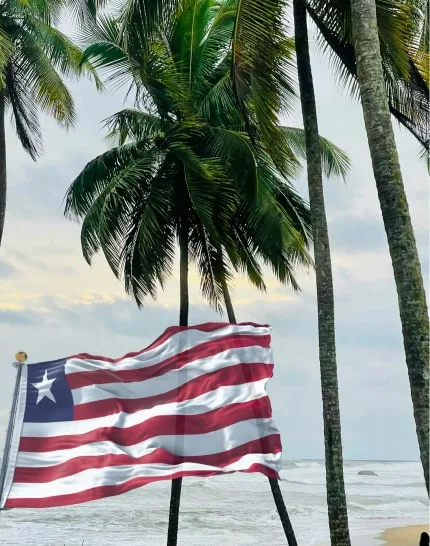
Liberia Gaming Authority: Understanding the Regulatory Structure
The gambling sector in Liberia is governed by a formal regulatory framework designed to oversee games of chance across land-based and, more recently, remote platforms. The principal authority responsible for licensing, supervision, and enforcement is the National Lottery Authority (NLA), which operates under the National Lottery Authority Act and associated regulations.
Role and Responsibilities of the NLA
The NLA has broad authority over all forms of gaming in Liberia. Its responsibilities include:
- Granting and renewing gaming licenses for authorized operators.
- Establishing standards for responsible gambling and anti-money laundering (AML/CFT) compliance.
- Conducting audits, compliance reviews, and enforcement actions.
- Monitoring operational integrity, financial reporting, and fair play.
- Issuing regulatory directives and guidance across gaming sectors.
Licensed entities must comply with the NLA’s operational standards and legal obligations, as outlined in the National Lottery Authority Act and subsidiary regulations such as Gaming Regulation 001.
Legal Basis and Recent Developments
The legal framework centralizes licensing and oversight of games of chance, with supplementary regulations detailing compliance obligations, fees, and enforcement procedures.
In late 2025, Liberia introduced the International Integrated Gaming License, a modern regulatory package for online operators. Key features include:
- Regulatory approval for global online casino, sportsbook, lottery, and prediction market operations.
- Local incorporation with a registered business address in Liberia.
- Access to SWIFT-capable bank accounts in USD/EUR.
- Appointment of a compliance officer to oversee AML and responsible gaming standards.
This integrated approach combines regulatory compliance with operational infrastructure, making Liberia an attractive jurisdiction for international operators.
Types of Gambling Licenses in Liberia
Liberia’s regulatory framework for gambling has historically focused on land-based operations. In late 2025, the NLA formally introduced a new International Integrated Online Gaming License, reshaping how online gaming can be offered under Liberian regulation.
Below is a structured overview of the license types available under Liberia’s system, including modern and legacy categories, plus provider licenses for supporting businesses.
Integrated International Online Gaming License (Modern Approach)
The International Integrated Online Gaming License represents Liberia’s main offering for remote operators and is the first of its kind, structured to support international-use gaming operations. It is designed as a turnkey license with embedded regulatory, corporate, banking, and compliance elements.
Under this license, authorised operators may offer a broad suite of online gaming activities and benefit from additional operational infrastructure integrated into the license package:
Core elements covered:
- Online casino games – including slots, table games, live dealer formats;
- Sports betting – fixed-odds, live betting features;
- Lottery & games of chance – traditional and digital lotteries;
- Prediction markets – event-based wagering on external outcomes (e.g., sports, economics);
- Hybrid and remote gaming platforms – mobile and web-based services.
Key attributes:
- Global operational scope — operators can serve players worldwide where local laws permit remote gaming (i.e., this license doesn’t override prohibitions in target markets).
- Local integration — license includes incorporation of a Liberian entity, a corporate bank account with B2B SWIFT support in USD and EUR, and a dedicated AML officer for compliance support.
- Compliance-first approach — regulators position this license as more than an offshore permit, aiming to align with international AML and responsible gaming expectations.
This category has the broadest scope and is explicitly structured for remote, digital, and multi-vertical gaming operators seeking an internationally recognised regulatory base.
Land-Based Licenses — Legacy Physical Operations
Long before online licensing was formalised, Liberia’s gaming sector consisted primarily of land-based gambling licenses issued under the long-standing statutory regime administered by the NLA. These licenses remain in force and are necessary for physical gambling activity within the country’s borders.
Typical land-based license types include:
- Casino licenses: Permits operation of physical casino establishments with table games, slot machines, and related gambling services.
- Sports Betting licenses: Required for retail sportsbook operations accepting in-person wagers.
- Lottery Permits: Issued to operators running traditional lottery systems or physical lottery outlets.
These licenses tend to have:
- Annual renewal cycles and compliance reporting.
- Established application processes with background checks and financial disclosure.
- Restricted geographic scope confined to physical locations and subject to local regulatory conditions.
Unlike the International Integrated Online Gaming License, these licenses traditionally do not include integrated banking structures or mandatory corporate compliance infrastructure.
Service & Supplier Licenses — B2B Support Roles
In addition to operator licenses, Liberia’s system recognizes the need for authorization of gaming-related suppliers and service providers. These licenses enable companies to supply technology, software, hardware, and platform services to licensed operators.
Typical B2B license holders include:
- Equipment suppliers – manufacturers or distributors of gaming machines and terminals.
- Technology and software developers – RNG providers, gaming platforms, back-end systems.
- Technical support and maintenance companies – third-party operational support.
- Service auditors and compliance partners – firms offering regulatory, AML or audit services.
These licenses ensure that key infrastructure and vendor services work within the regulatory architecture of Liberia and support transparent, compliant operational environments for B2C operators.
Licensing Structure in Practice
Within Liberia’s licensing ecosystem, the Integrated International Online Gaming License stands as the most comprehensive option for digital operators, combining regulatory approval with infrastructure support rarely found in traditional offshore models. The land-based and supplier licenses continue to support the physical and B2B segments of the market.
Key distinctions to highlight for operators:
- Scope of activities: Online vs. physical; global reach vs. local presence;
- Compliance expectations: Enhanced AML and reporting for online licenses;
- Operational integration: Banking and corporate structuring under the modern license model.
This typology equips businesses to identify the license category that best matches their strategic goals, whether launching a global remote iGaming brand or operating in Liberia’s established retail gaming space.
Eligibility & Licensing Requirements
Obtaining a gambling license in Liberia requires applicants to satisfy corporate, financial, and compliance criteria established by the National Lottery Authority (NLA). While requirements differ depending on whether the applicant seeks an International Integrated Online Gaming License or a land-based permit, the regulator applies a structured due diligence process in both cases.
For the International Integrated Online Gaming License, applicants are generally required to establish a Liberian legal entity. This entity becomes the licensed operator and must maintain a registered office in Liberia. Ultimate beneficial owners (UBOs), directors, and key managerial personnel are subject to identity verification and background checks. The regulator evaluates corporate transparency, source of funds, and business reputation before issuing approval.
Land-based operators must similarly demonstrate lawful incorporation (local or authorized foreign structure), operational readiness for a physical venue, and compliance with zoning and commercial regulations. In both cases, the NLA expects applicants to present a viable business model and evidence of financial sustainability.
Core eligibility criteria typically include:
- Incorporation of a Liberian company (for online integrated license holders),
- Full disclosure of UBOs, shareholders, and directors,
- Proof of clean criminal record for key persons,
- Submission of a business plan describing gaming verticals and target markets,
- AML/CFT policies and internal control procedures,
- Identification of a compliance or AML officer,
- Technical documentation for gaming systems (including RNG certification, if applicable),
- Evidence of sufficient operating capital.
For online operators, particular emphasis is placed on anti-money laundering controls and responsible gambling safeguards. Applicants must outline customer due diligence (CDD), transaction monitoring, and reporting procedures aligned with international compliance standards. Technical infrastructure must support secure payment processing, player account protection, and data integrity.
Supplier and service license applicants (such as RNG providers or platform developers) must demonstrate technical competence, software integrity, and transparent ownership structures.
The NLA retains discretion to request additional documentation during review. Meeting baseline requirements does not guarantee approval; the regulator assesses each application on a case-by-case basis, focusing on transparency, financial credibility, and operational preparedness.
How to Apply: Step-by-Step Breakdown of the Liberia Licensing Process
The licensing process for a Liberia gambling license is designed to be straightforward and fast compared to many traditional jurisdictions. The National Lottery Authority (NLA) aims to complete full application reviews within approximately 30 business days from receipt of all required documentation, making Liberia one of the more efficient options for operators targeting global online markets. Below is a section-by-section breakdown of how the process works.
Step 1: Preliminary Intake & Pre-Application Assessment
The licensing journey begins with an initial Intake Form submitted to the NLA. This form collects basic information about the applicant, including company details, ownership structure, key personnel, the type of license sought (e.g., International Integrated Online Gaming License), and the intended geographic markets where the operator plans to offer services.
During this phase, applicants should also prepare foundational documents (corporate paperwork, shareholder data, and basic compliance policies) to speed up the next stages. Early engagement with legal and compliance specialists is strongly recommended, as it improves the quality of documentation and reduces the need for regulator-requested revisions.
Tip: Pre-application consultation with counsel can identify potential issues early and reduce back-and-forth with the NLA.
Step 2: Portal Access & Document Upload
After the Intake Form is reviewed, the NLA will issue secure access to its official online licensing portal. Once access is granted, the applicant uploads the complete set of supporting documents.
This stage typically involves:
- Corporate formation documents (Liberian entity registration),
- List of directors and ultimate beneficial owners (UBOs),
- Certified IDs and CVs for key personnel,
- Business plan outlining product verticals and risk controls,
- AML/KYC compliance frameworks,
- Technical documentation for gaming platforms and RNG integrity.
Careful preparation beforehand can significantly shorten this step; incomplete or poorly formatted uploads are a common cause of delays.
Step 3: Formal Application Review & Due Diligence
Once all documents are submitted, the NLA initiates its formal review. This includes administrative checks, due diligence, and verification of compliance controls.
The authority examines:
- Ownership transparency (including sanctions/PEP screening),
- Financial capacity and a documented source of funds,
- Management experience in gaming operations,
- AML/CFT and responsible gaming frameworks,
- Technical infrastructure and cybersecurity measures.
During this period, regulators may request clarifications or additional documentation. Prompt responses to such requests are crucial to staying on schedule. Applicants should anticipate this interaction and have a dedicated team ready to respond swiftly.
Step 4: Regulatory Decision & Issuance
After completing due diligence and satisfying documentation requirements, the NLA issues its decision. When approval is granted, the license is issued and published in the official registry, and the operator receives formal regulatory confirmation.
The licensing package typically includes:
- Official license certificate,
- Corporate business registration in Liberia,
- Verified local address in Monrovia,
- Access to a corporate bank account with multi-currency SWIFT arrangements for USD and EUR,
- Appointment of a local AML compliance officer for at least 12 months.
This integrated model is a key advantage of the Liberia framework, simplifying banking and compliance requirements often encountered in other offshore or hybrid licensing regimes.
Step 5: Post-Issuance Compliance & Go-Live Activities
Once the license is in hand, the operator must finalise operational readiness before going live. Typical activities during this phase include:
Regulators expect operators to begin operations within a designated timeframe (often within three months of issuance), or licenses may be subject to revocation for inactivity.
Best Practices to Maintain Timeline Integrity
The overall approval horizon for most applications is approximately 30 business days from fully uploaded documentation to license issuance, but this assumes a high standard of preparation and responsive communication with the NLA.
Operators can safeguard timely progress by:
- Conducting internal audits before submission,
- Leveraging specialized legal and compliance expertise,
- Responding quickly to regulator queries,
- Preparing for post-license integration early in the process.
Overall, Liberia’s licensing procedure balances regulatory rigour with pragmatic timelines, making it attractive for iGaming companies that require a fast, internationally recognized framework without sacrificing compliance standards.

Find more information about the Gambling License in Liberia
Breaking Down the Costs: Licensing Fees and Ongoing Payments
Understanding the cost structure of a Liberian gambling license is essential for operators planning budgets and timelines. Unlike some jurisdictions where license pricing is opaque or bundled with separate corporate costs, Liberia has published figures that reflect both legacy land-based license fees (set by regulation) and modern online license pricing associated with the International Integrated Gaming license package.
The International Integrated Gaming license has become the primary option for remote operators seeking an internationally transferable framework, and its fee structure is notably straightforward.
Online Gaming License Costs — Integrated Package
| Fee Component | Estimated Amount (USD) | Notes |
|---|---|---|
| Application fee | $5,000 (non-refundable) | Paid at submission to NLA |
| Issuance fee | $25,000 – $50,000 | Scale based on the size and scope of operations |
| Annual renewal fee | $10,000 – $20,000 | Depends on revenue profile/volume |
| Mandatory launch timeline | N/A | Must go live within 3 months, or the license may be revoked |
The application fee (a non-refundable upfront payment) is required when filing the licensing submission. If the application is eventually approved, the issuance fee is paid upon grant of the license, with variability to account for operational scale and vertical coverage. Annual fees are due on each anniversary to maintain the license in good standing.
Land-Based & Legacy License Fees (Regulatory Schedule)
While the integrated online license is now the main instrument for remote operators, traditional land-based fees remain published in the NLA’s regulatory schedules. These fees apply to casino facilities, betting shops, and other physical gaming formats.
| license/Activity (Land-Based) | Fee (USD) | Comments |
|---|---|---|
| Casino license (up to 25 devices) – Montserrado | $100,000 | Applicable to the primary county location |
| Casino license (up to 25 devices) – other counties | $60,000 | Regional license tiers |
| Sports betting license (physical & online) | $90,000 | Includes the remote category under the adjusted fee |
| Mini slot operations (1-50 machines) | $15,000 | Standalone mini-slot license |
| Gaming machine (1-25 units) | $40,000 | Single-category machine license |
| Raffle and charity permits | % of prize pool | Percentage based on event value |
| Registration of an extra gaming machine/table | $500 each | For additional equipment |
| Late renewal fee | $500 | Applied if renewal deadlines are missed |
These legacy fees, set under NLA Regulation 004 of 2024, continue to apply for brick-and-mortar operators and traditional categories not covered by the integrated online license.
Key Cost Considerations for Operators
- Bundled Turnkey Model: The international online license typically includes corporate formation services, a local AML officer, a bank account with USD/EUR SWIFT capability, and a registered local address — reducing the need for discrete arrangements and third-party service costs.
- Annual Renewal: Even though issuance fees vary, annual renewals are comparatively modest for online licenses (often below $20,000), providing predictable operating costs.
- Legacy vs. Online: Traditional land-based licenses can be significantly higher (e.g., six-figure casino cost), while the integrated online license focuses on scalability and affordability for remote operators.
- Compliance Costs: Budget for AML/CFT systems, gaming platform certification, and third-party audits, which are separate from regulator fees but essential for compliance. (Industry standard context)
This structured fee landscape enables operators to design realistic budgets depending on whether they choose an online integrated approach or plan to operate in physical gaming venues under legacy regulations.
Compliance Obligations & Ongoing Requirements
Securing a gambling license from the National Lottery Authority (NLA) establishes a regulated operational status — but it also triggers continuing compliance responsibilities. Licensed operators are subject to ongoing monitoring and must maintain financial transparency, effective internal controls, and adherence to anti-money laundering standards throughout the life of the license.
AML / CFT Framework
A robust Anti-Money Laundering and Counter-Financing of Terrorism (AML/CFT) program is central to post-licensing compliance. The NLA expects operators (particularly holders of the International Integrated Online Gaming License) to apply risk-based compliance procedures consistent with international standards.
Core AML obligations typically include:
- Appointment of a qualified AML/Compliance Officer,
- Implementation of Customer Due Diligence (CDD) and Enhanced Due Diligence (EDD) procedures,
- Ongoing transaction monitoring and suspicious activity reporting,
- Maintenance of detailed records for player identification and financial transactions,
- Periodic internal compliance training.
The regulator may request documentation, conduct compliance checks, or require updates to internal controls if risk exposure changes. AML systems must function operationally, not merely exist as policy documents.
Financial Reporting & Corporate Transparency
Licensed companies must maintain accurate accounting records and submit periodic reports to the NLA. Annual financial statements are commonly required, along with operational summaries reflecting gaming activity levels. Any material corporate change, including transfer of shares, change of directors, modification of business model, or expansion into additional gaming verticals, must be disclosed to the regulator and may require formal approval.
Failure to report structural changes can lead to regulatory sanctions. Transparency regarding ultimate beneficial ownership (UBO) remains a continuing obligation, not just an application-stage requirement.
Technical & Operational Standards
For remote operators, technical integrity is a key supervisory focus. Licensees must ensure secure hosting environments, reliable payment processing systems, and protection of player data. Gaming platforms are expected to demonstrate fairness and system reliability, including certified Random Number Generators (RNGs) where applicable. Operators must also implement geo-blocking measures to prevent access from jurisdictions where online gambling is prohibited.
Responsible Gambling & Ongoing Validity
Responsible gambling measures are not optional. Operators must maintain age verification systems, offer self-exclusion mechanisms, and publish clear terms and conditions.
Advertising practices must avoid misleading representations and comply with laws in target markets.
Licenses are typically issued on an annual basis and require timely renewal. Renewal involves payment of the prescribed annual fee and confirmation that compliance standards remain in place. Continued cooperation with the NLA and proactive governance significantly reduce the risk of suspension or revocation.
In practical terms, maintaining a Liberian gambling license requires structured compliance management, documented oversight procedures, and readiness for regulatory review at any time.
Advantages of Using Liberia for iGaming
Liberia has emerged as an attractive jurisdiction for international iGaming operators seeking a balance between regulatory credibility, speed of licensing, and operational flexibility. Its modern International Integrated Online Gaming License offers a turnkey solution that addresses compliance, banking, and corporate infrastructure in a single package. Below are the key advantages of choosing Liberia as a licensing base for online gambling operations.
Fast and Efficient Licensing Process
Liberia’s NLA is known for a streamlined application procedure that can be completed in approximately 30 business days, provided all documentation is in order. This speed enables operators to enter the market quickly without the long lead times often encountered in European Tier-1 jurisdictions.
Integrated Banking Access
One of Liberia’s most significant differentiators is the inclusion of banking services within the licensing package. Operators receive access to corporate bank accounts with USD/EUR SWIFT capabilities, simplifying payment processing and fund management for global operations.
Comprehensive Compliance Support
The license includes mandatory AML/CFT officer services and guidance on regulatory obligations. This integration allows operators, especially first-time entrants, to implement effective compliance systems from day one, reducing risk and easing ongoing regulatory reporting.
Global Operational Scope
The International Integrated Online Gaming License permits operators to offer online casino, sportsbook, lottery, and prediction market services internationally, where local laws allow. This makes Liberia suitable for companies targeting multiple global markets while remaining fully regulated.
Cost-Effective Licensing
Compared to traditional offshore and EU jurisdictions, Liberia offers a relatively affordable licensing structure. Both application and annual fees are lower than in Malta or the Isle of Man, while the integrated model reduces the need for additional corporate and compliance service expenses.
Flexibility Across Gaming Verticals
Liberia’s licensing framework supports a broad range of gaming activities under a single license. Operators can launch multiple verticals from online casinos to sports betting) without obtaining separate permits for each category, streamlining administration and operational planning.
Professional Support for Licensing Success in Liberia
Navigating Liberia’s gambling licensing framework can be complex, particularly for international operators entering the market for the first time. Gofaizen & Sherle offers end-to-end guidance that simplifies every stage of the licensing process, helping clients secure approval quickly while ensuring full compliance with regulatory requirements. Our services are designed to combine legal expertise, corporate structuring, and operational support into a single, integrated solution.
From initial consultation to post-license operations, our team works closely with applicants to address both administrative and technical challenges. We provide detailed guidance on regulatory eligibility, corporate incorporation in Liberia, submission of accurate documentation, and alignment with the NLA’s AML/CFT and responsible gambling expectations. By anticipating regulator queries and preemptively resolving potential compliance issues, we reduce delays and improve the likelihood of a smooth approval process.
For online operators, we assist with establishing secure banking arrangements, ensuring SWIFT-capable corporate accounts in USD and EUR, and integrating compliance officers within operational workflows. Our team also advises on platform certification, RNG verification, and operational readiness, providing peace of mind that your gaming environment meets international standards.
Key services offered by Gofaizen & Sherle include:
- Full licensing advisory, including preparation and submission of application documents;
- Corporate formation and legal structuring in Liberia;
- Compliance program design, including AML/KYC frameworks and responsible gambling policies;
- Technical support for gaming platform certification, RNG audits, and cybersecurity assessments;
- Guidance on banking integration, payment processing, and international financial operations;
- Post-license operational support, including regulatory reporting and renewal preparation.
By leveraging our expertise, operators can focus on strategic business growth while we manage the regulatory and compliance complexities. Our goal is not only to help clients obtain a Liberian gambling license but to create a sustainable operational framework that supports long-term success.
Whether you are launching a new online casino, sportsbook, or multi-vertical gaming platform, Gofaizen & Sherle ensures that your entry into the Liberian market is efficient, compliant, and strategically positioned for global operations.

Strategic Summary: Key Considerations for Liberia Licensing
Liberia offers a fast, cost-effective, and structured licensing environment for international iGaming operators. With the International Integrated Online Gaming License, operators gain access to a turnkey framework combining regulatory approval, corporate incorporation, banking, and compliance support. While suitable for global operations, maintaining the license requires ongoing AML, responsible gambling, and technical standards adherence to ensure long-term regulatory compliance.
| Category | Details |
|---|---|
| Regulator | National Lottery Authority (NLA) |
| License Types | International Integrated Online Gaming License, Land-based Casino & Betting License, Service & Supplier License |
| Application Fee (Online) | $5,000 |
| Issuance Fee (Online) | $25,000 – $50,000 |
| Annual Renewal Fee | $10,000 – $20,000 |
| Approval Timeline | ~30 business days (from full submission) |
| Scope | Online casino, sports betting, lottery, prediction markets, land-based operations, and gaming suppliers |
| Validity | 1 year (renewable) |
| Core Benefits | Fast licensing, integrated banking, compliance support, global operational scope, and cost-effective structure |
FAQ about Gambling License in Liberia
Who can apply for a Liberia gambling license?
Any legally established corporate entity that meets the NLA’s eligibility requirements, including transparency of ownership, financial capacity, and operational readiness, can apply. Both new entrants and existing operators seeking offshore licensing are eligible.
How long does the licensing process take?
The typical approval timeline is approximately 30 business days from the submission of a complete application, assuming all required documents are provided, and due diligence queries are addressed promptly.
What types of gaming activities are permitted under the online license?
The International Integrated Online Gaming License allows operators to offer online casino games, sports betting, lotteries, and prediction markets globally, where local laws permit online gambling.
Are there ongoing compliance obligations?
Yes. Licensees must maintain AML/KYC systems, responsible gambling policies, technical safeguards, and financial reporting standards to remain in good standing with the NLA.
How much does it cost to obtain a Liberian gambling license?
Application fees start at $5,000, issuance fees range between $25,000-$50,000, and annual renewal fees are $10,000-$20,000, depending on the scale of operations and vertical coverage.




Connect with our experts
Our experts will tell you how to do it as quickly and easily as possible.


By clicking the button, I confirm that I have read the privacy policy and consent to the collection and processing of my personal data in accordance with the GDPR rules.